Every parent, caregiver, and educator knows the importance of play in a toddler's life. Active outdoor toys for toddlers offer a fantastic way to combine fun with essential physical and cognitive growth. These toys encourage little ones to move, explore, and interact with their surroundings. They also provide a healthy break from indoor screen time.
- Choose active outdoor toys for toddlers that match developmental stages for safety and engagement.
- Opt for durable materials to withstand rough toddler play and outdoor conditions.
- Look for toys promoting gross motor skills like running, jumping, or climbing.
- Ensure toys are age-appropriate to avoid frustration or safety hazards for young children.
- Consider portable or easy-to-store options for convenience in small spaces.
- Prioritize toys encouraging social play to build interaction skills with peers.
- Supervise outdoor play to ensure safety while toddlers explore and learn.
Why Active Outdoor Toys for Toddlers Matter
Active outdoor toys for toddlers are more than just playthings. They serve as tools for building critical skills during early childhood. Physical activity through outdoor play supports healthy growth in muscles and bones. It also boosts coordination and balance in young children.
For parents, these toys offer a chance to see their child thrive in natural settings. Watching a toddler master a new skill like kicking a ball is rewarding. It shows progress in motor skills and confidence. Caregivers often notice improved mood and energy levels after outdoor play.
Educators value these toys for their role in group activities. Outdoor play fosters teamwork and communication among toddlers. It helps them learn to share and take turns. These social skills are vital for preschool readiness.
Experts from organizations like NAEYC emphasize the need for active play. Toddlers benefit from at least an hour of physical activity daily. Outdoor toys make this goal achievable and fun. They turn exercise into an exciting adventure for little ones.
For a deeper understanding, Balanced and Barefoot offers essential reading for parents and educators.
Types of Active Outdoor Toys for Toddlers
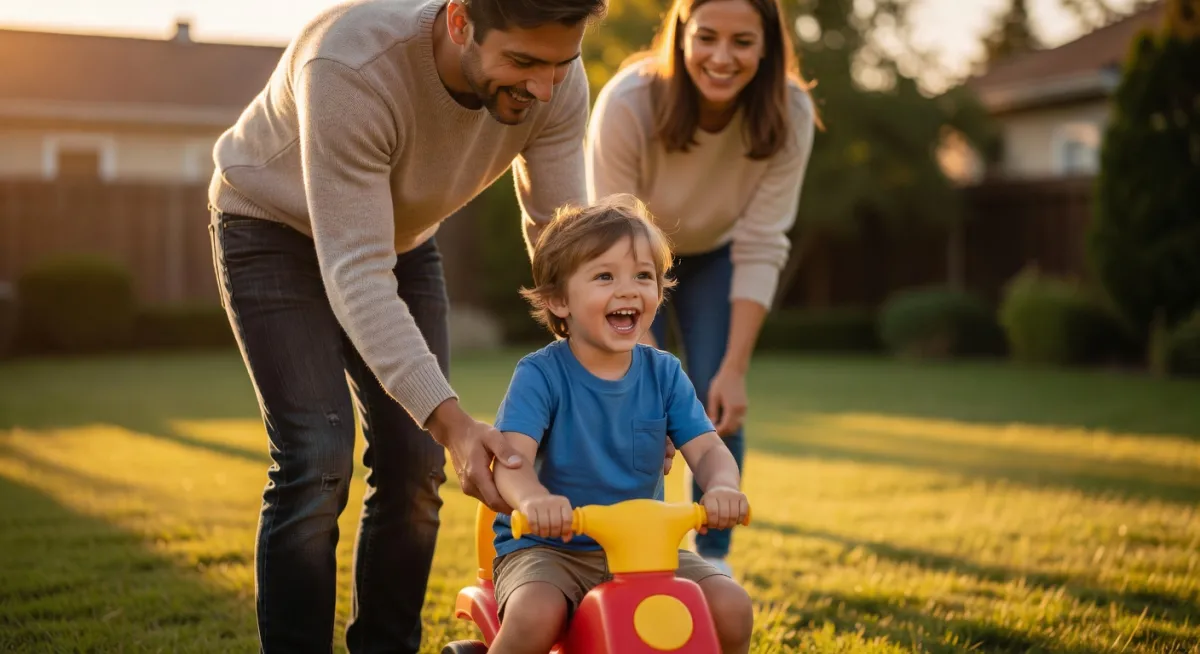
Active outdoor toys for toddlers come in many forms, each with unique benefits. Ride-on toys, like small scooters or push cars, encourage movement and balance. They help toddlers build leg strength while navigating their environment. Parents often find these toys a hit for energetic kids.
Ball games are another excellent choice for outdoor fun. Simple soccer balls or soft dodgeballs promote kicking and throwing skills. These activities enhance hand-eye coordination and spatial awareness. Caregivers can join in to make playtime even more engaging.
Climbing structures, such as mini slides or low jungle gyms, challenge toddlers physically. They build upper body strength and problem-solving skills. Safety is key, so educators recommend constant supervision with these toys. Always check for sturdy designs to prevent accidents.
Push and pull toys, like wagons or lawn mowers, are perfect for younger toddlers. They encourage walking and improve gross motor skills. Parents appreciate how these toys keep kids active outdoors. Explore more options in categories like outdoor play toys for additional ideas.
Benefits of Outdoor Play for Toddler Development
Outdoor play with active toys offers immense benefits for toddlers. It supports physical health by strengthening muscles and improving endurance. Running, jumping, and climbing all contribute to better fitness. Parents see their children grow stronger with regular outdoor activity.
Beyond physical gains, outdoor play boosts mental well-being. Fresh air and sunshine improve mood and reduce stress in young kids. Caregivers often notice happier, calmer toddlers after time outside. This emotional balance is crucial for early development.
Cognitive skills also flourish during outdoor play sessions. Toddlers learn problem-solving when navigating obstacles or playing games. Educators highlight how active outdoor toys for toddlers spark curiosity. Exploring nature or new environments fosters a love for learning.
Social development is another key advantage of outdoor toys. Group play teaches sharing, cooperation, and empathy among peers. Parents and educators can facilitate these interactions during playdates. Resources from Zero to Three offer deeper insights into early social growth.
How to Choose the Right Outdoor Toys for Toddlers
Selecting active outdoor toys for toddlers requires careful thought. Safety should always be the top priority for parents and caregivers. Check for age-appropriate labels and avoid toys with small parts. Ensure materials are non-toxic and durable for outdoor use.
Consider the child's interests and developmental stage when choosing toys. A toddler who loves movement might enjoy a ride-on vehicle or ball set. Educators suggest observing play patterns to guide selections. Matching toys to interests keeps kids engaged longer.
Portability and storage are practical concerns for many families. Opt for lightweight toys or those that fold for easy transport. Caregivers find collapsible options ideal for small yards or travel. This ensures playtime isn't limited by space constraints.
Budget is another factor to weigh when shopping. Quality toys don't always need a high price tag. Parents can explore categories like age-specific toys for affordable, suitable options. Always balance cost with safety and developmental value.
Safety Tips for Using Active Outdoor Toys
Safety is paramount when toddlers use active outdoor toys. Always supervise play to prevent accidents or injuries. Parents should stay close, especially with climbing or ride-on equipment. Quick intervention can stop minor mishaps from escalating.
Check toys regularly for wear and tear before use. Loose parts or cracks can pose risks to young children. Caregivers must ensure all equipment is stable and secure. Discard or repair damaged items immediately to maintain safety.
Teach toddlers basic safety rules during outdoor play. For example, explain not to push others on slides or swings. Educators find that simple instructions help kids understand boundaries. Reinforce these rules consistently for lasting impact.
Use protective gear when needed, like helmets for ride-on toys. Ensure play areas are free of hazards like sharp objects. Parents and caregivers should inspect yards or parks beforehand. A safe environment lets toddlers enjoy active outdoor toys for toddlers without worry.
Frequently Asked Questions
What are the best active outdoor toys for toddlers?
Finding the right active outdoor toys for toddlers depends on their age and interests. Ride-on toys, like small scooters or push cars, are great for building balance. Soft balls for kicking or throwing help with coordination and motor skills. Mini slides or climbing frames offer physical challenges while ensuring fun. Parents should look for durable, age-appropriate options for safety. Always supervise to keep playtime secure and enjoyable.
How do outdoor toys help toddler development?
Outdoor toys play a huge role in a toddler's growth across multiple areas. Active outdoor toys for toddlers boost physical skills like running and climbing. They also improve cognitive abilities through problem-solving during play. Social skills grow as kids interact with peers outside. Caregivers can see emotional benefits like better mood after fresh air. Overall, these toys support a well-rounded developmental path.
Are outdoor toys safe for toddlers under 3?
Outdoor toys can be safe for toddlers under 3 with proper precautions. Always choose age-appropriate items with no small or sharp parts. Supervision is critical to prevent accidents during play. Parents should inspect toys and play areas for hazards regularly. Using protective gear, like helmets, adds an extra safety layer. With care, these playthings can be both fun and secure for little ones.
How much time should toddlers spend playing outside?
Toddlers should aim for at least an hour of outdoor play daily. This time boosts their physical health and mental well-being. Experts suggest breaking it into shorter sessions for young kids. Caregivers can adjust based on weather or the child's energy level. Even brief outdoor moments with active toys make a difference. Consistency helps build a healthy routine for growth.
What to consider when buying outdoor toys for young kids?
When buying outdoor toys for young children, safety comes first. Check for age recommendations and durable, non-toxic materials. Consider the child's developmental needs and play preferences. Portability and storage ease are practical for busy families. Budget also plays a role in the decision process. Educators advise balancing cost with quality for lasting value.
Final Thoughts
Active outdoor toys for toddlers are invaluable for fostering physical, cognitive, and social growth. They turn playtime into a powerful tool for kids development. Parents, caregivers, and educators can use these toys to encourage healthy habits early on. From ride-on vehicles to simple ball games, the options are endless and impactful.
Choosing the right toys means focusing on safety, age-appropriateness, and engagement. Regular outdoor play builds stronger bodies and sharper minds in young children. Explore more ideas in categories like learning-focused toys to complement outdoor activities. Start building a collection of active toys today for lasting benefits.
Take the first step by observing a toddler's play style and needs. Invest in quality items that promise both fun and growth. Outdoor play is a gift that keeps giving to every child's future.