For parents, caregivers, and educators, finding the right educational toys for 2 year olds can be a game-changer. At this age, children are rapidly developing key skills. Their curiosity drives them to explore the world. Toys that nurture learning are vital for growth.
- Choose toys that match a 2-year-old's developmental stage for best results.
- Focus on toys that build fine motor skills, like stacking blocks.
- Look for items encouraging language growth, such as picture books.
- Prioritize safe, durable toys with no small choking hazards.
- Opt for open-ended toys to spark creativity and problem-solving.
- Consider toys promoting social skills through pretend play.
- Balance screen-free play with engaging, hands-on activities.
Why Educational Toys Matter for 2 Year Olds
Educational toys for 2 year olds play a critical role in early development. At this stage, children absorb information like sponges. Their brains form connections through play. Toys designed for learning can shape future success.
Parents often notice how quickly toddlers pick up new skills. Simple activities like sorting shapes teach problem-solving. These toys also build confidence. They offer a sense of achievement with every small win.
Educators emphasize the value of purposeful play. Toys that challenge young minds prepare them for preschool. They lay the foundation for math and language skills. This early start benefits long-term learning.
Caregivers can use these tools to bond with children. Playing together fosters emotional growth. It also helps adults spot developmental needs. Educational toys become a bridge for connection and support.
For a deeper understanding, Einstein Never Used Flashcards offers essential reading for parents and educators.
Key Skills to Target with Educational Toys for 2 Year Olds
At age 2, children develop several core skills. Educational toys for 2 year olds can target these areas effectively. Motor skills, both fine and gross, are top priorities. Toys can help refine hand-eye coordination.
Language development is another crucial focus. Toddlers start forming simple sentences now. Toys with sounds or words encourage speech. Parents can reinforce this by talking during playtime.
Cognitive skills like memory and problem-solving also emerge. Puzzles or matching games are excellent choices. They challenge young minds to think critically. Educators often recommend these for early logic skills.
Social and emotional growth shouldn't be overlooked. Pretend play toys build empathy and sharing. Caregivers can guide children through role-playing scenarios. This helps toddlers understand emotions and relationships.
Top Types of Educational Toys for 2 Year Olds
When selecting educational toys for 2 year olds, variety matters. Different toys target unique skills for balanced growth. Parents can mix and match based on a child's interests. Here are some top categories to consider.
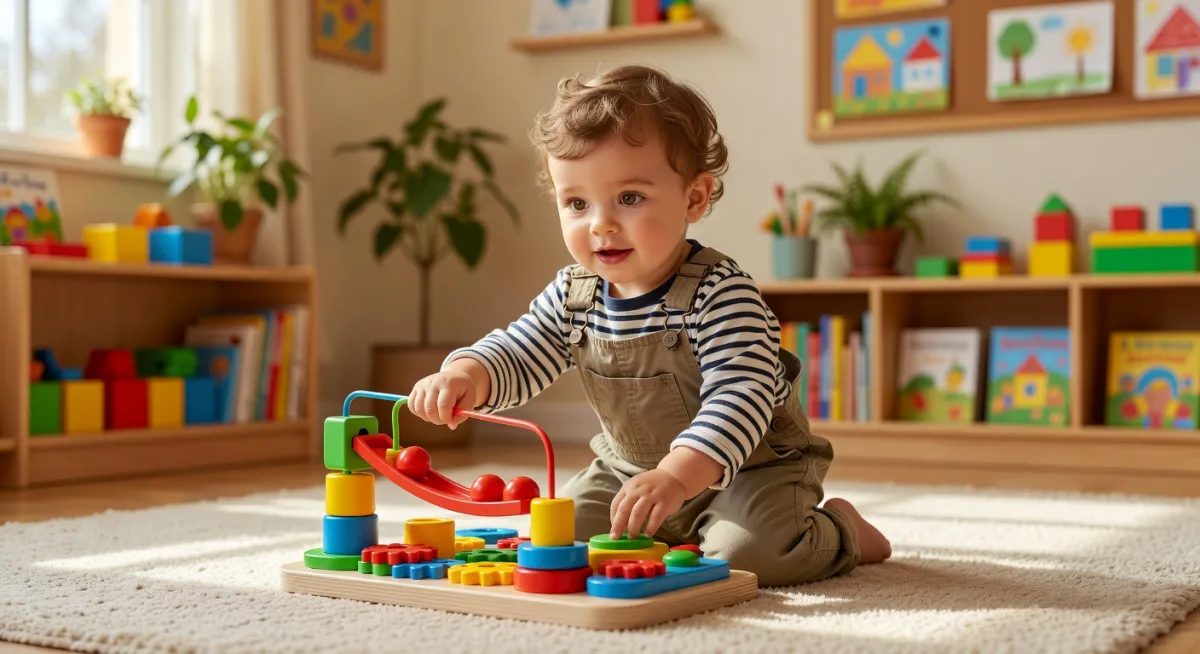
Stacking blocks or building sets are fantastic for motor skills. They help with hand coordination and spatial awareness. Brands offering safe, colorful options are ideal. Caregivers can join in to build towers together.
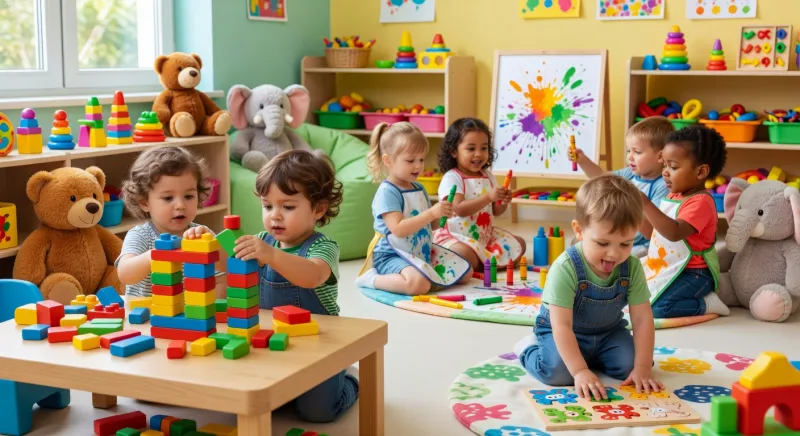
Shape sorters and simple puzzles boost cognitive development. These toys teach shapes, colors, and problem-solving. Toddlers feel proud when they fit pieces correctly. Educators often use these in early learning settings.
Picture books or sound toys aid language skills. They introduce new words and sounds daily. Parents can read aloud to enhance bonding. This also builds a foundation for literacy.
Pretend play items like toy kitchens spark imagination. They encourage social skills through role-play. Caregivers can model sharing during these games. Such toys align with advice from NAEYC on creative growth.
How to Choose Safe and Age-Appropriate Toys
Safety is the top concern for educational toys for 2 year olds. Toddlers often explore by mouthing objects. Parents must check for non-toxic materials. Avoid toys with small parts that pose choking risks.
Age-appropriateness is equally important. Toys labeled for older children may frustrate toddlers. They might also lack developmental benefits. Caregivers should always read packaging guidelines carefully.
Durability matters in toy selection too. Two-year-olds can be rough during play. Choose sturdy items that withstand drops. Educators suggest focusing on quality over quantity.
Finally, consider a child's unique needs. Some toddlers may need sensory-focused toys. Others might benefit from active play options. Resources from Zero to Three offer great insights for tailored choices.
Integrating Educational Toys into Daily Routines
Educational toys for 2 year olds work best with structure. Parents can weave play into daily routines easily. Set aside specific times for focused activities. This creates a habit of learning through fun.
Start mornings with a quick sorting game. It wakes up young minds before breakfast. Caregivers can use this to teach colors. Consistency turns play into a learning ritual.
Afternoon pretend play builds social skills. Use toy sets from imaginative play toys for this. Encourage sharing with siblings or friends. Educators note this boosts emotional intelligence.
Evening wind-downs can include storybooks. Pair these with calming toys for relaxation. This helps toddlers process their day. It also prepares them for bedtime routines.
Balancing Play with Other Learning Activities
Educational toys for 2 year olds are just one tool. Parents should balance them with other activities. Outdoor play, for instance, builds gross motor skills. Explore options in age-based toys for more ideas.
Singing songs or nursery rhymes aids language growth. These don't require toys at all. Caregivers can do this during car rides. It's a simple, effective learning method.
Art activities like coloring nurture creativity. Use safe crayons or finger paints. This complements toy-based learning nicely. Educators suggest rotating between structured and free play.
Daily interactions also teach valuable lessons. Talking during meals builds vocabulary. Parents can model good manners too. Combining toys with real-life learning creates well-rounded growth.
Frequently Asked Questions
What are the best educational toys for 2 year olds?
Finding the best educational toys for 2 year olds depends on developmental needs. Blocks and shape sorters build motor skills and problem-solving. Picture books or sound toys boost language development. Pretend play sets encourage social growth. Parents should pick safe, durable options. Always match toys to a child's interests for engagement.
How do educational toys help toddlers learn?
Educational toys for 2 year olds support learning by targeting key skills. They improve fine motor abilities through hands-on tasks. Cognitive growth happens via puzzles or matching games. Language and social skills develop during pretend play. Caregivers can reinforce lessons by joining in. This makes play a powerful learning tool.
Are electronic toys good for 2 year olds?
Electronic toys can benefit toddlers if used sparingly. They often include sounds or lights that grab attention. However, overuse may limit imagination and active play. Parents should balance them with hands-on options. Experts suggest limiting screen time at this age. Focus on toys encouraging real-world interaction instead.
How can I make playtime more educational for my toddler?
Making playtime educational starts with intentional choices. Pick toys that challenge young minds, like puzzles. Join in to model language or sharing skills. Rotate activities to keep things fresh. Caregivers can ask guiding questions during play. This turns simple games into learning moments.
What should I avoid when buying toys for a 2 year old?
When buying toys for toddlers, avoid small parts that risk choking. Skip items with sharp edges or toxic materials. Don't choose toys meant for older kids. They may frustrate or overwhelm young learners. Parents should check safety labels before purchase. Always prioritize durability and age-appropriateness.
Final Thoughts
Educational toys for 2 year olds offer incredible benefits for young learners. They support motor, cognitive, and social skills at a critical age. Parents, caregivers, and educators can use these tools to guide growth. The right toys make learning feel like pure fun.
Choosing safe, age-appropriate options is key to success. Balancing toy play with other activities ensures well-rounded development. Explore more ideas in educational toys for tailored suggestions. Start building a foundation for lifelong learning today.
Take action by assessing a child's current needs. Pick a few toys to target specific skills. Watch how play transforms into powerful growth moments.