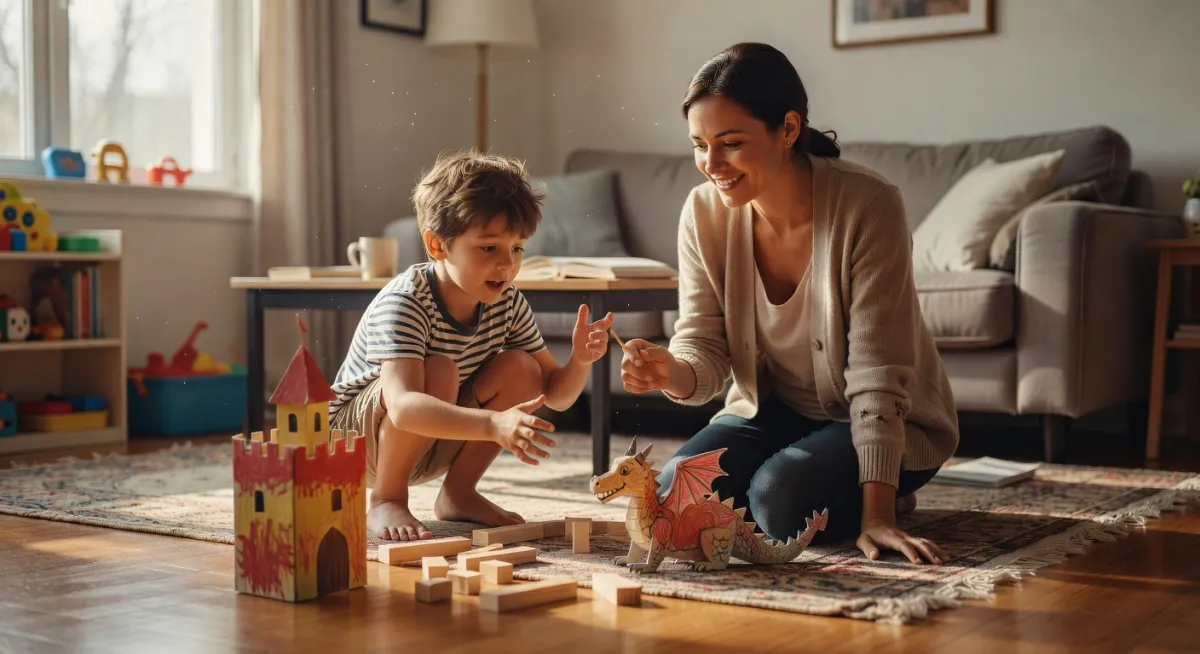
Imaginative play is a cornerstone of childhood development, offering children the opportunity to explore their creativity, build social skills, and make sense of the world around them. Through pretend play, kids step into different roles, create unique scenarios, and express their emotions in a safe and engaging way. For families, joining in on this type of play fosters bonding and creates lasting memories while supporting a child's emotional and cognitive growth.
Selecting the right imaginative play toys can make a significant difference in how children engage with this form of play. The best toys are versatile, open-ended, and encourage storytelling, problem-solving, and role-playing. Whether it's a set of costumes for dress-up or a miniature kitchen for pretend cooking, these toys inspire kids to dream big and explore endless possibilities. This guide from ChildrensPlayToys highlights some of the top imaginative play toys for children and families to enjoy together.
Parents and caregivers often seek toys that not only entertain but also contribute to a child's learning and development. Imaginative play toys fit this need perfectly, as they align with recommendations from organizations like NAEYC, which emphasizes the importance of play in early childhood education. Let's dive into why imaginative play matters and explore the best toys to bring these benefits to life.
- Boosts Creativity: Imaginative play toys encourage children to think outside the box, creating their own stories and scenarios without rigid rules or outcomes.
- Develops Social Skills: When kids play together or with family, they learn to share, negotiate, and empathize through role-playing different characters.
- Enhances Language Development: Pretend play often involves dialogue, helping children expand their vocabulary and practice communication skills.
- Supports Emotional Growth: Acting out different roles allows kids to process emotions and understand perspectives, building emotional intelligence.
- Encourages Problem-Solving: Whether building a pretend castle or solving a make-believe mystery, children develop critical thinking skills through imaginative scenarios.
- Strengthens Family Bonds: Joining in on pretend play creates shared experiences, laughter, and connection between children and their loved ones.
Why Imaginative Play Matters for Child Development
Imaginative play is more than just fun; it's a vital part of how children grow and learn. When kids engage in pretend play, they're actively building skills that will serve them throughout life. According to resources from Zero to Three, this type of play helps young minds develop executive function skills like planning, focus, and self-control. For instance, when a child pretends to be a doctor, they're not just playing—they're learning to think ahead, make decisions, and understand cause and effect.
Beyond cognitive benefits, imaginative play also nurtures emotional well-being. Children often use pretend scenarios to work through fears, joys, and curiosities. A simple toy like a dollhouse can become a space where they explore family dynamics or practice caregiving. This aligns with insights from experts who note that play is a child's natural way of processing their environment. Families can support this by providing toys that spark creativity and by participating in the play themselves, turning ordinary moments into extraordinary adventures.
Top Imaginative Play Toys for Solo and Family Play
Finding toys that work for both solo play and family involvement is key to maximizing their value. One standout option is a versatile dress-up kit. With costumes ranging from superheroes to chefs, children can transform into anyone they imagine, while parents or siblings can join in as supporting characters. These kits are often found in the imaginative play section and are perfect for encouraging self-expression.

As an Amazon Associate, we earn from qualifying purchases.
Another excellent choice is a set of wooden play food and kitchen accessories. Kids can pretend to cook meals, host dinner parties, or run a restaurant, while family members can play the role of customers or sous-chefs. This type of toy not only fuels imagination but also introduces basic concepts of nutrition and responsibility. For more options like these, exploring categories such as educational toys can reveal toys that blend learning with fun.
As an Amazon Associate, we earn from qualifying purchases.
Lastly, consider a puppet theater set. Children can create their own shows, invent characters, and practice storytelling, while families can be the audience or even join in with their own puppets. These toys are endlessly engaging and provide a platform for laughter and creativity to flourish together.
Open-Ended Toys for Limitless Imagination
Open-ended toys are a must-have for imaginative play because they don't come with a predefined purpose. Items like building blocks or construction sets, available in the building and construction category, allow children to create anything from castles to spaceships. These toys adapt to whatever story a child wants to tell, making them ideal for long-term play value.
Similarly, a collection of toy figures—whether animals, people, or fantasy creatures—can be used in countless ways. Kids might build a zoo one day and stage an epic battle the next. The beauty of open-ended toys is that they grow with the child, offering new possibilities as their imagination evolves. Families can enhance this by adding simple props like fabric scraps or cardboard boxes, turning playtime into a collaborative project.
For parents looking to understand how to nurture this type of play, books like The Whole-Brain Child offer valuable insights into supporting creativity and emotional development through play. Combining these resources with the right toys ensures a well-rounded approach to imaginative growth.
Age-Appropriate Imaginative Play Toys
Choosing toys that match a child's developmental stage is crucial for safe and engaging play. For toddlers, simple props like stuffed animals or basic costumes work best, as they're easy to manipulate and safe for little hands. These can often be found in the age-based toys category, tailored to specific developmental needs.
For preschoolers, more detailed toys like playhouses or toy vehicles encourage complex storytelling. At this stage, children start to create elaborate scenarios, so toys with multiple pieces or accessories add depth to their play. School-aged children, on the other hand, might enjoy board games with imaginative themes or craft kits that let them design their own props for pretend play. These toys often overlap with options in the active and outdoor toys section for added versatility.
No matter the age, safety and durability should always be top priorities. Families are encouraged to check for non-toxic materials and age recommendations to ensure the toys are appropriate for their child's needs and abilities.
Incorporating Technology in Imaginative Play
While traditional toys often dominate the imaginative play space, technology can also play a role when used thoughtfully. Interactive story apps or electronic toys that prompt creative responses can inspire kids to build on digital narratives with physical play. For instance, a storytelling app might spark an idea for a pretend adventure that children act out with costumes or props. Browse the electronic toys category for options that balance screen time with active imagination.
However, balance is essential. Experts from organizations like NAEYC suggest limiting screen time and ensuring that tech-based toys complement rather than replace hands-on play. Families can set boundaries by designating specific times for digital tools while prioritizing tactile, open-ended toys for most play sessions. This approach keeps imaginative play at the forefront while embracing modern tools as a supplementary resource.
Frequently Asked Questions
What is imaginative play, and why is it important?
Imaginative play, often called pretend play, involves children using their creativity to act out scenarios, roles, or stories. It's important because it helps develop cognitive, social, and emotional skills, allowing kids to explore ideas, solve problems, and understand different perspectives.
What are the best imaginative play toys for toddlers?
For toddlers, simple and safe toys like stuffed animals, basic dress-up clothes, and pretend food sets are ideal. These encourage early role-playing while being easy to handle and safe for young children.
How can families participate in imaginative play?
Families can join in by taking on roles in a child's pretend scenarios, such as being a customer at a play restaurant or a patient at a pretend doctor's office. They can also provide props and ask open-ended questions to extend the storytelling.
Are electronic toys suitable for imaginative play?
Electronic toys can support imaginative play if used in moderation and paired with hands-on activities. Interactive story apps or sound-making toys can inspire creativity, but they should complement traditional toys rather than replace them.
How do imaginative play toys benefit older children?
For older children, imaginative play toys like craft kits, detailed figurines, or themed board games encourage complex storytelling and problem-solving. These toys help refine social skills and creative thinking as kids collaborate or invent intricate scenarios.
Final Thoughts
Imaginative play toys are a powerful tool for fostering creativity, building skills, and strengthening family bonds. From dress-up kits to open-ended building sets, the options are endless for sparking a child's imagination and creating shared moments of joy. By choosing toys that encourage storytelling and role-playing, families can support a child's development while enjoying quality time together. Dive into the wide range of options at ChildrensPlayToys to find the perfect imaginative play toys for your family, and start building unforgettable memories through the magic of pretend play today.