For parents, caregivers, and educators, selecting the right toys for children is a vital decision. Understanding the blocks and bricks difference can guide choices that boost creativity and learning. These classic playthings are more than just fun. They shape young minds through hands-on engagement.
- Blocks and bricks differ in material, often wood versus plastic, impacting durability and sensory experience.
- Blocks typically suit younger children with larger, simpler shapes for safe play.
- Bricks, like LEGO, feature interlocking designs for complex builds, ideal for older kids.
- Blocks encourage open-ended play, fostering imagination without strict instructions.
- Bricks often come with guides, teaching precision and following steps for structured learning.
- Both support motor skills, but bricks add problem-solving with detailed projects.
- Choose based on a child's age and developmental needs for best results.
What Are Blocks in Children Toys?
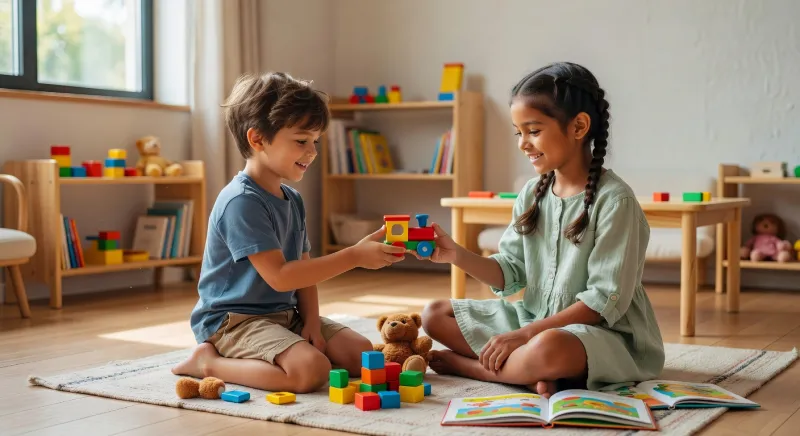
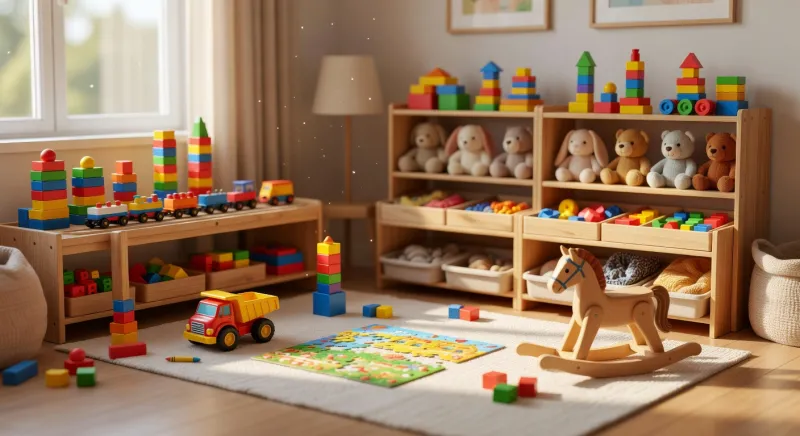
Blocks are foundational toys in early childhood play. Often made of wood, foam, or soft plastic, they come in basic shapes like cubes and rectangles. Their simplicity makes them perfect for toddlers. They offer a safe, tactile experience for little hands.
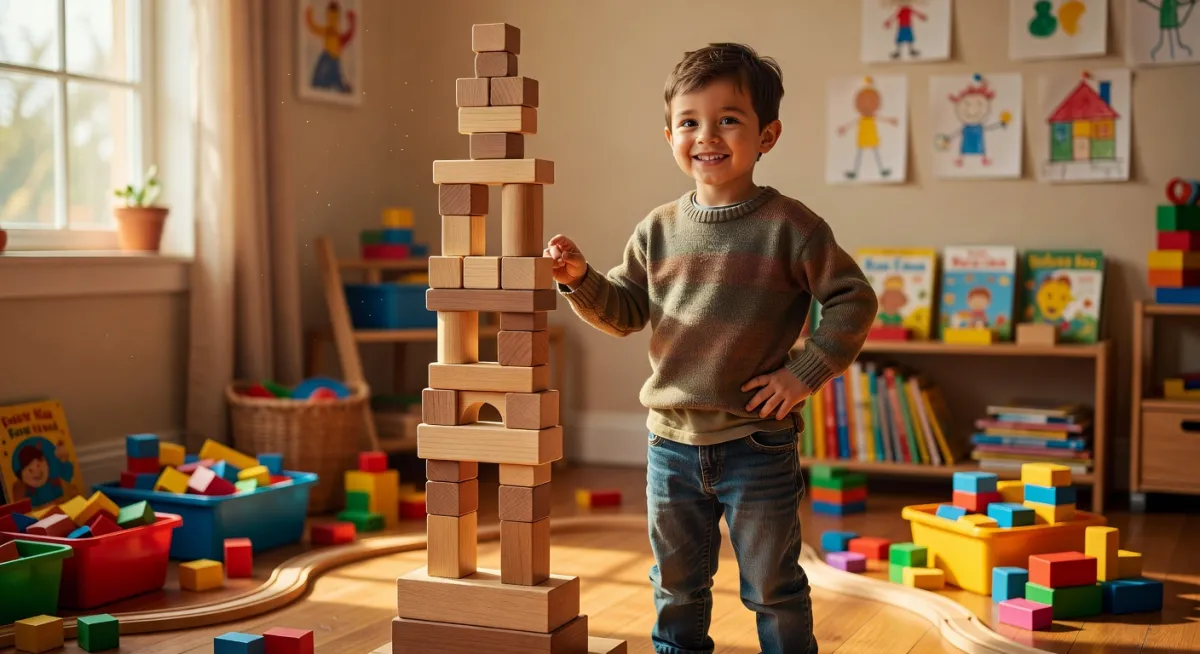
Child development experts highlight blocks for building motor skills. Stacking and balancing teach coordination and spatial awareness. These activities also spark imagination as kids create towers or pretend houses. There's no right or wrong way to play.
For parents and caregivers, blocks are a versatile choice. They adapt to a child's growing abilities over time. A toddler might stack a few pieces, while a preschooler builds complex structures. This flexibility ensures long-term value in playtime.
Educators often use blocks in classroom settings too. They encourage group play and sharing among peers. Blocks also introduce early math concepts like counting and symmetry. Investing in a quality set supports endless learning opportunities for kids.
What Are Bricks in Educational Play?
Bricks, such as LEGO or similar systems, are iconic in children's toys. Made from durable plastic, they feature interlocking mechanisms for secure builds. These designs allow intricate creations, from cars to castles. They're often geared toward slightly older children.
The blocks and bricks difference shines in structure. Bricks come with specific connection points, guiding kids to follow patterns or instructions. This teaches precision and patience during play. It's a step beyond freeform block stacking.
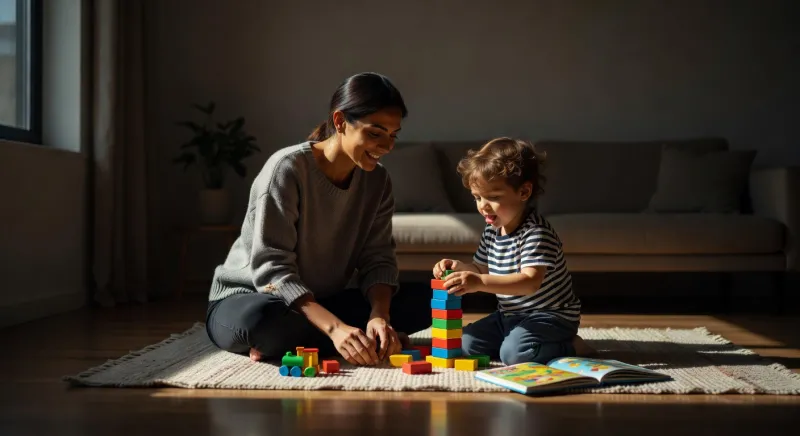
For caregivers, bricks offer a chance to engage directly. Helping a child assemble a set builds bonding moments. It also shows kids how to tackle challenges step by step. These toys double as tools for family interaction.
Educators value bricks for STEM learning potential. Assembling models introduces basic engineering and logic. Resources from NAEYC emphasize such play for cognitive growth. Bricks turn playtime into a structured learning experience.
Key Blocks and Bricks Difference in Design and Use
The blocks and bricks difference starts with design. Blocks are often standalone pieces without connectors, focusing on balance and creativity. Bricks lock together, creating stable, detailed structures. This contrast shapes how children interact with each.
Blocks suit younger kids due to their simplicity. Toddlers can grasp and stack without frustration. The lack of small parts reduces choking risks. Safety remains a top concern for parents.
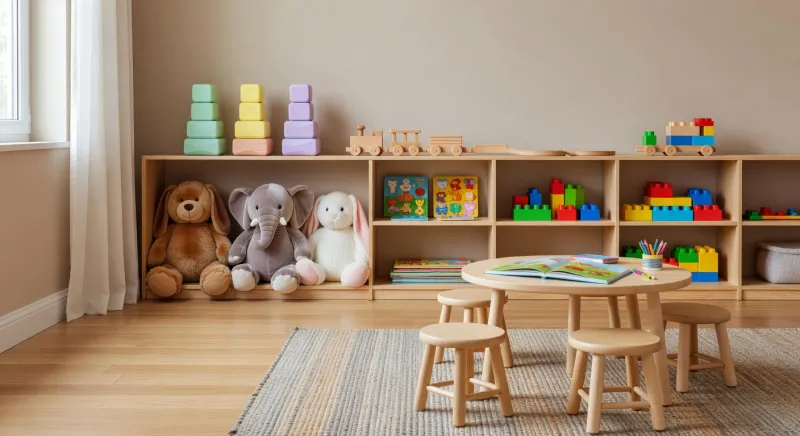
Bricks, however, target older children with fine motor control. Their tiny components demand focus and dexterity. This makes them less ideal for very young kids. Caregivers must assess readiness before introducing them.
Educators see the blocks and bricks difference in learning outcomes. Blocks foster free play and imagination without rules. Bricks encourage following directions for a goal. Both are valuable, but timing their use matters most.
How Blocks Support Kids Development
Blocks are a powerhouse for early kids development. Their basic design lets children explore without limits. Stacking and knocking down teaches cause and effect. This hands-on play builds critical thinking from the start.
Parents notice how blocks enhance physical skills. Grasping and placing pieces refines hand-eye coordination. Larger sets also promote movement as kids reach and crawl. It's a full-body learning tool.
Caregivers find blocks ideal for social growth too. Group play with peers teaches sharing and teamwork. Kids negotiate who builds what, solving conflicts naturally. These moments lay a foundation for emotional skills.
Educators often link blocks to resources like Zero to Three. Such platforms stress early brain development through play. Blocks also introduce shapes and sizes, aiding math readiness. They're a must-have for holistic growth.
How Bricks Enhance Educational Play
Bricks stand out in educational play for older children. Their interlocking nature requires planning and problem-solving. Kids learn to follow instructions or invent designs. This balance of structure and creativity is unique.
For parents, bricks offer a way to teach perseverance. Completing a complex model takes time and effort. Watching a child persist builds pride in both parties. It's a lesson beyond just play.
Caregivers see bricks as tools for focus. Unlike blocks, bricks demand attention to detail. This can calm an active child during quiet time. It's a practical way to channel energy productively.
Educators often integrate bricks into lessons. They align with educational toys that boost STEM skills. From counting pieces to designing structures, learning is embedded. Bricks prepare kids for real-world challenges.
Choosing Between Blocks and Bricks for Your Child
Understanding the blocks and bricks difference helps in making informed choices. Age is a primary factor to consider. Blocks are safer and easier for toddlers under three. Bricks suit kids aged four and up.
Parents should also think about developmental goals. If fostering imagination is key, blocks offer open-ended play. For teaching structure and logic, bricks are the better pick. Matching toys to needs maximizes benefits.
Caregivers often weigh safety and storage. Blocks, with fewer small parts, pose less risk. Bricks need careful supervision with younger siblings around. Both require organized spaces to avoid clutter.
Educators suggest starting with blocks for foundational skills. Transition to bricks as dexterity improves. Explore options in building and construction toys for variety. Tailoring choices ensures engaging, age-appropriate play for every child.
Frequently Asked Questions
What is the main blocks and bricks difference for kids toys?
The blocks and bricks difference lies in design and purpose. Blocks are often simple, standalone pieces made of wood or foam, ideal for younger children. Bricks, like LEGO, have interlocking parts for detailed builds, suiting older kids. For parents, this means blocks are safer for toddlers, while bricks challenge school-aged children. Educators note blocks encourage free play, whereas bricks teach structure. Choosing depends on a child's age and skills.
Are blocks or bricks better for toddler development?
For toddlers, blocks are generally the better choice. Their larger size and lack of small parts reduce safety risks. They also support early motor skills through stacking and balancing. Parents find blocks easier to manage for young kids. Caregivers see them spark imagination without complex rules. The blocks and bricks difference clearly favors blocks for this age group.
Can blocks and bricks be used together in play?
Yes, combining these toys can work well in creative play. Kids might use blocks as a base and add bricks for detail. This mix fosters both imagination and precision. For educators, it's a way to bridge developmental stages. Caregivers should monitor to ensure safety with smaller pieces. It's a practical approach for varied learning.
At what age should kids switch from blocks to bricks?
Most children can transition to bricks around age four or five. By then, fine motor skills are often developed enough for small parts. Parents should watch for readiness signs like improved focus. Educators suggest introducing these items gradually with supervision. Safety remains key during this shift. Caregivers can test interest with simple sets first.
How do blocks and bricks impact learning differently?
Blocks promote open-ended play, boosting creativity and spatial skills. Bricks focus on structured tasks, enhancing logic and patience. Parents see blocks as tools for early exploration. Caregivers note bricks prepare kids for detailed projects. Educators value both for different learning phases. The impact varies based on a child's needs.
Final Thoughts
The blocks and bricks difference offers valuable insights for parents, caregivers, and educators. Blocks lay a foundation for early creativity and motor skills in younger children. Bricks challenge older kids with structure and problem-solving, enriching educational play.
Choosing the right toy depends on a child's age and developmental stage. Explore options within building and construction toys to find the perfect fit. Tailoring play to individual needs ensures lasting benefits.
Invest in quality sets that grow with a child. Encourage hands-on learning through these timeless toys. Every build, whether with blocks or bricks, shapes a brighter future for kids.