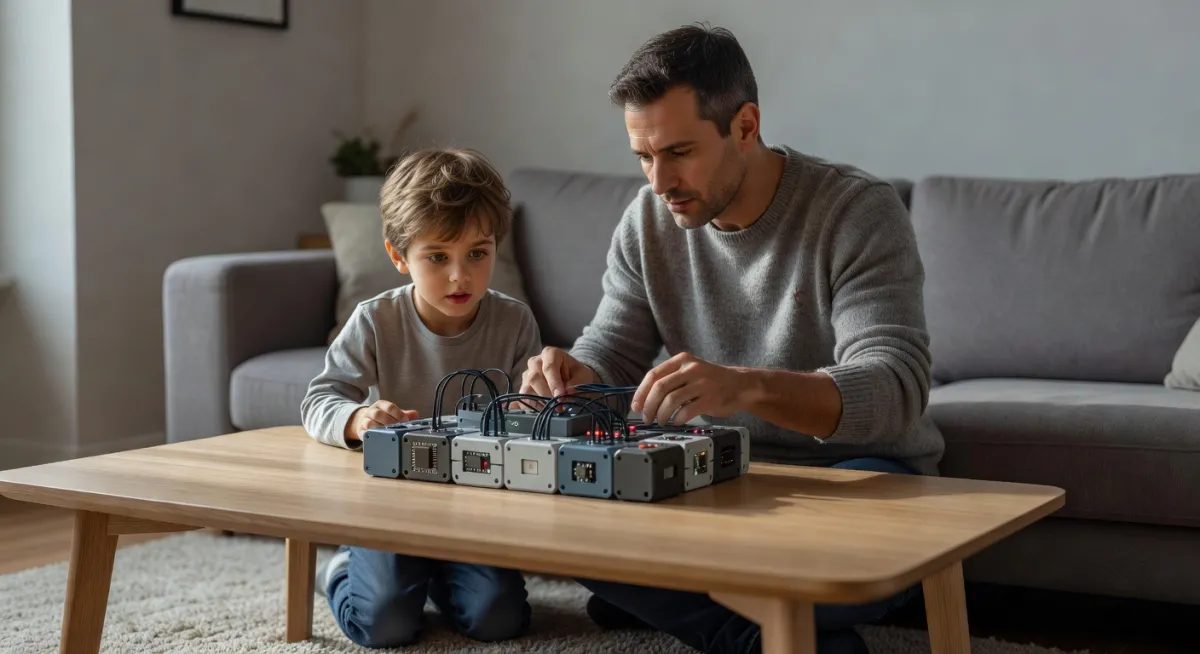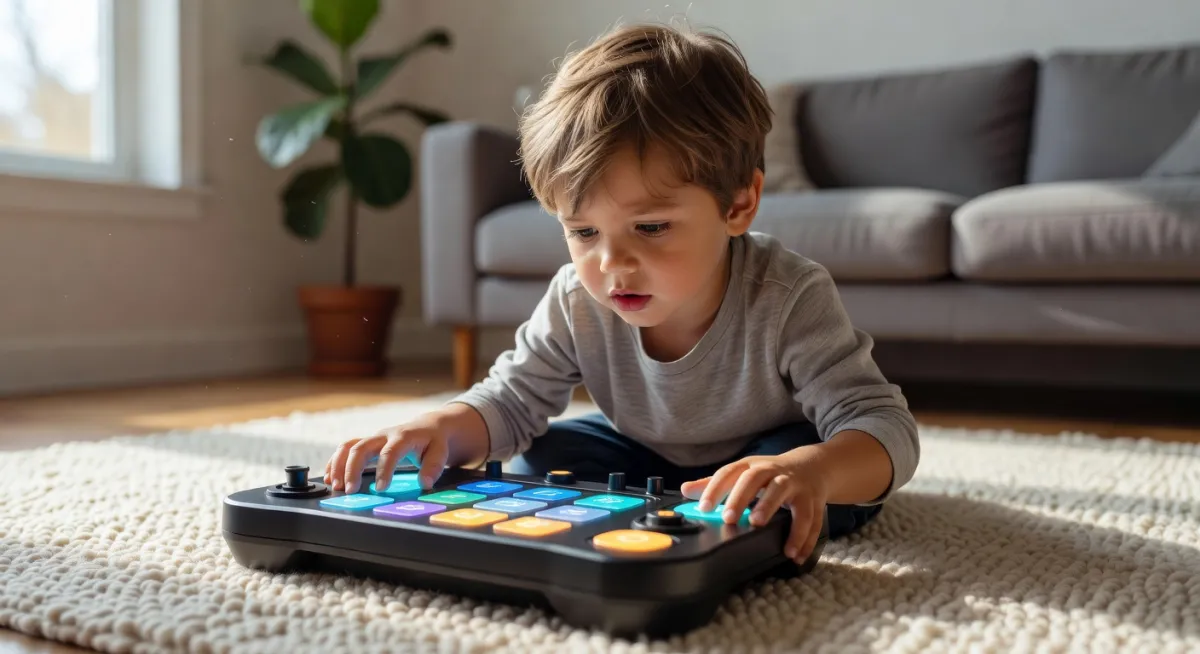
Navigating the world of toys for young children can be overwhelming for parents, caregivers, and educators. With countless options available, electronic toys for toddlers stand out as a dynamic choice to support early learning and development. These toys often combine fun with education, offering interactive features that captivate young minds. This article, filed under the Electronic Toys category, dives deep into why these toys are a valuable tool for fostering skills in toddlers.
- Look for electronic toys that promote problem-solving and critical thinking skills for toddlers.
- Choose age-appropriate toys with simple controls to avoid frustration in young children.
- Prioritize toys with educational content like letters, numbers, or basic words for early learning.
- Ensure safety by selecting toys with no small parts or sharp edges for toddlers.
- Balance screen time by mixing electronic toys with traditional play for well-rounded development.
- Set clear time limits on electronic toy use to prevent overstimulation in young kids.
- Engage with toddlers during play to enhance bonding and reinforce learning outcomes.
Why Choose Electronic Toys for Toddlers?
Electronic toys for toddlers offer unique benefits that traditional toys may not provide. These toys often feature lights, sounds, and interactive elements that grab a child's attention instantly. For parents and caregivers, this engagement can be a game-changer during busy days. The immediate feedback from these toys also helps toddlers stay focused longer.
Beyond entertainment, many electronic toys are designed with learning in mind. They introduce concepts like shapes, colors, and even basic vocabulary through fun activities. Educators note that such tools can lay a strong foundation for future academic success. This makes them a popular choice for early childhood settings.
For parents seeking to support developmental milestones, these toys can be invaluable. They often target specific skills, such as fine motor abilities or language growth. Child development experts recommend selecting toys that align with a toddler's current stage. This ensures the toy remains both challenging and achievable.
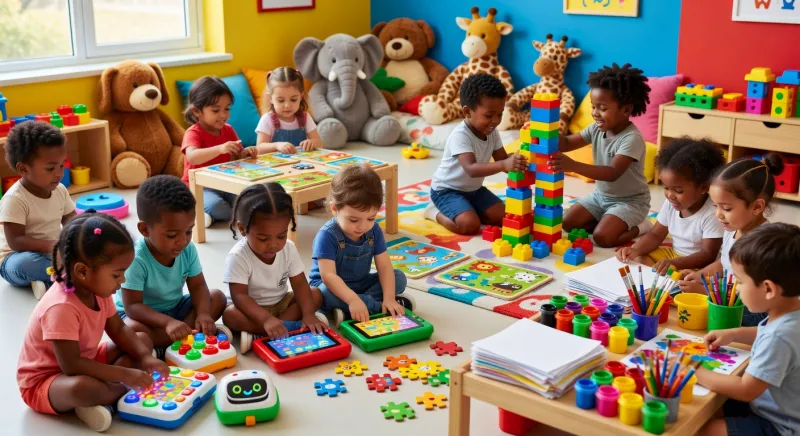
Lastly, electronic toys can foster social skills when used in group settings. Toddlers learn to share and take turns while playing with peers. Caregivers can facilitate this by organizing playdates with interactive gadgets. This dual focus on individual and group learning makes these toys versatile for various environments.
For a deeper understanding, Duct Tape Engineer offers essential reading for parents and educators.
Key Benefits of Electronic Toys in Kids Development
Electronic toys for toddlers are more than just flashy gadgets; they play a vital role in growth. These toys stimulate cognitive development by encouraging problem-solving and logical thinking. For instance, a toy that requires matching shapes can sharpen a child's spatial awareness. Parents often notice quicker learning curves with such tools.
Language skills also get a significant boost from these interactive devices. Many toys feature songs or phrases that introduce new words to toddlers. Educators find that consistent exposure to spoken content aids in vocabulary building. This is especially helpful for children preparing for preschool.
Motor skills are another area where electronic toys shine brightly. Buttons to press or screens to tap refine hand-eye coordination in young kids. Caregivers can observe improvements in dexterity over time with regular use. Choosing toys with varied actions keeps the experience fresh and engaging.
Emotional development is supported as well through positive reinforcement in these toys. Sounds of encouragement or celebratory lights build a toddler's confidence. Parents and educators can reinforce this by praising efforts during play. Such interactions create a nurturing environment for emotional growth.
Safety Tips for Using Electronic Toys with Toddlers
Safety is a top priority when selecting electronic toys for toddlers. Always check for age recommendations on the packaging before purchasing. Toys designed for older children may have small parts that pose choking hazards. Parents must ensure the toy matches the child's developmental stage.
Another concern is the durability of these electronic devices. Toddlers can be rough, so opt for sturdy designs that withstand drops. Caregivers should inspect toys regularly for broken parts or exposed wires. This prevents potential injuries during playtime.
Battery safety cannot be overlooked with electronic toys. Ensure battery compartments are secure and childproof to avoid accidental access. Educators advise using only the recommended battery types for optimal performance. This simple step can prevent malfunctions or hazards.
Finally, supervise toddlers during play with electronic gadgets. Active involvement allows adults to guide usage and address issues instantly. Resources from NAEYC emphasize the importance of adult oversight. This ensures a safe and enriching play experience for young children.
How to Select the Best Electronic Toys for Toddlers
Choosing the right electronic toys for toddlers requires careful thought and research. Start by considering the child's interests and current skill level. A toy that matches their curiosity will keep them engaged longer. Parents can observe play patterns to guide their decisions.
Educational value should be a primary factor in the selection process. Look for toys that teach specific concepts like numbers or animal sounds. Educators often recommend products aligned with early learning standards. This ensures the toy supports developmental goals effectively.
User-friendliness is crucial for toddlers who are still mastering basic controls. Avoid overly complex toys that might frustrate young children. Caregivers should test the toy themselves to gauge ease of use. Simple interfaces often yield the best results for this age group.
Lastly, read reviews from other parents and caregivers for insights. Many share experiences about durability and engagement levels online. Pair this with guidance from trusted sources like Zero to Three for informed choices. This approach helps in finding toys that truly benefit toddlers.
Balancing Electronic Toys with Traditional Play
While electronic toys for toddlers offer immense benefits, balance is essential. Over-reliance on gadgets can limit other forms of play crucial for growth. Child development experts stress integrating various activities daily. Parents should aim for a mix of tech and non-tech options.
Traditional toys like blocks or dolls encourage imagination and physical activity. These complement the structured learning of electronic devices beautifully. Caregivers can rotate between categories like Imaginative Play for diverse experiences. This variety supports well-rounded development in young children.
Setting time limits on electronic toy use prevents overstimulation. Experts suggest short sessions followed by hands-on activities for balance. Educators note that unstructured play fosters creativity in toddlers. This ensures technology enhances rather than dominates playtime.
Engaging with toddlers during both types of play strengthens bonds. Parents can join in building with blocks or exploring electronic games together. This active participation boosts learning and emotional connection. A balanced approach ultimately benefits the child's overall growth.
Frequently Asked Questions
What are the best electronic toys for toddlers to buy?
Finding the best electronic toys for toddlers depends on age and interests. Look for toys that teach basic skills like numbers, letters, or shapes through interactive features. Brands often label products with age ranges to guide parents and caregivers. Safety is key, so ensure no small parts are present. Reviews from other adults can highlight durable and engaging options. Resources from trusted organizations can also offer valuable recommendations.
Are electronic toys safe for my 2-year-old child?
Electronic toys can be safe for a 2-year-old if chosen carefully. Always check for age-appropriate labels and avoid toys with choking hazards. Ensure battery compartments are secure to prevent access. Supervision is critical to manage usage and spot potential risks. Regular checks for damage keep playtime safe. Trusted guidelines from experts reinforce these safety practices.
How much time should toddlers spend with electronic toys?
Limit toddlers to short sessions with electronic gadgets, ideally 15-20 minutes. Balance this with traditional play to avoid overstimulation. Child development professionals suggest mixing tech with physical activities daily. Observe the child for signs of frustration or fatigue during use. Adjust time based on their response to maintain a healthy routine. Caregivers play a vital role in monitoring this balance.
Do electronic toys really help with learning for toddlers?
Yes, these tools can significantly aid learning in young children. They often introduce concepts like language or problem-solving through engaging formats. Sounds and visuals reinforce lessons in a memorable way for toddlers. Parents should choose toys with clear educational goals for best results. Supervision enhances the learning by guiding interactions. Educators often see positive outcomes with consistent, balanced use.
Where can I find reliable reviews on electronic toys for young kids?
Reliable reviews are often found on parenting forums and retailer websites. Fellow caregivers share honest feedback about durability and engagement levels. Check product descriptions for age suitability and features as well. Trusted child development sites offer expert insights on quality options. Joining local parent groups can provide firsthand recommendations. These combined sources help in making informed decisions.
Final Thoughts
Electronic toys for toddlers present a powerful way to blend fun with learning. They support cognitive, language, and motor skills while captivating young minds with interactive features. Parents, caregivers, and educators can harness these tools to aid developmental milestones effectively. Safety and balance remain crucial to maximize benefits for children.
By choosing age-appropriate toys and setting clear usage limits, adults ensure a positive play experience. Exploring categories like Educational Toys can further enrich a toddler's environment. Take the next step by evaluating options that suit the child's unique needs today.
Engage actively with toddlers during play to strengthen bonds and reinforce learning. The right mix of technology and traditional toys paves the way for holistic growth. Start building a nurturing playtime routine now for lasting impact.