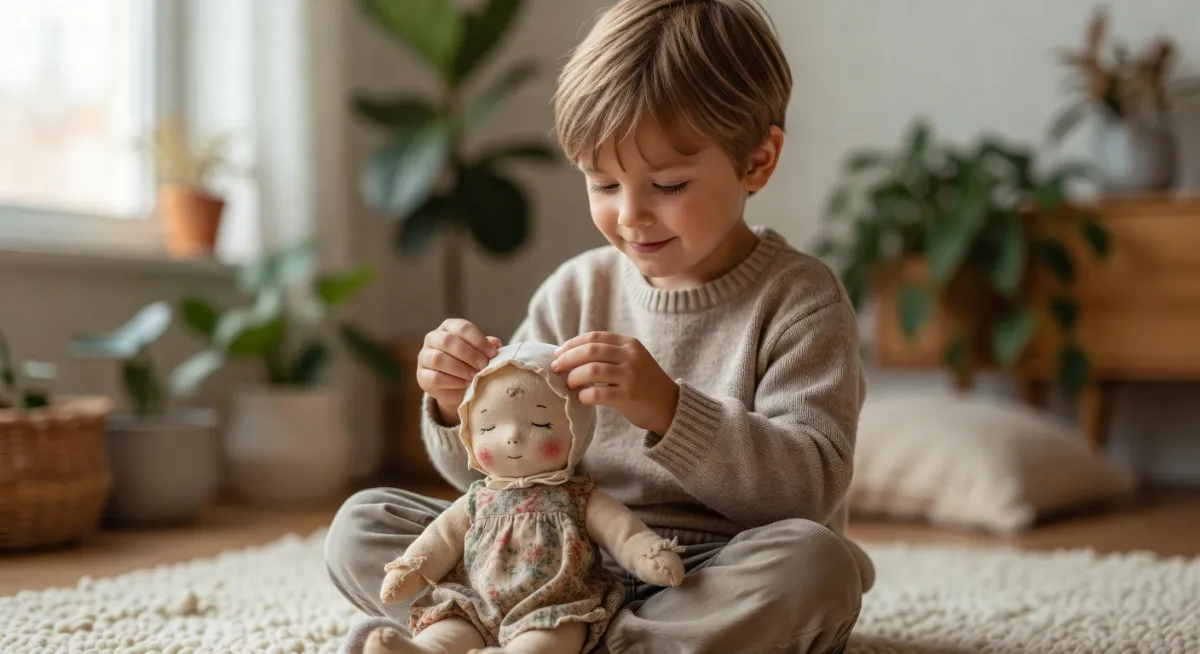
Parents and educators often search for ways to manage growing doll collections. Learning how to organize dolls and accessories helps create calm spaces. It also supports focused educational play. Clear systems make daily routines easier for everyone involved.
- Sort dolls by size and type before choosing storage bins.
- Use clear labels on every container for quick access.
- Group accessories with matching dolls to reduce lost items.
- Rotate displayed dolls monthly to maintain interest.
- Teach children simple cleanup habits during each play session.
- Review the system every season and adjust as needed.
How to Organize Dolls and Accessories Effectively
Child development experts recommend starting with a full inventory. List every doll and accessory in the collection. Note sizes and themes. This step reveals patterns in the items.
Parents find that sorting comes next. Separate dolls by height and material. Place fragile pieces aside. Keep everyday play dolls in easy reach. Educators note this prevents damage during active use.
Storage choices matter greatly. Select bins that fit shelves well. Avoid deep containers that hide small pieces. Shallow trays work better for accessories. Professionals in this field know that visibility encourages use.
Label everything clearly. Use picture labels for younger children. Add word labels for older kids. Consistent labeling builds independence over time.
Benefits for Kids Development
Organized doll areas promote longer play sessions. Children focus better when items are easy to find. This supports imaginative play skills. imaginative play resources often highlight similar benefits.
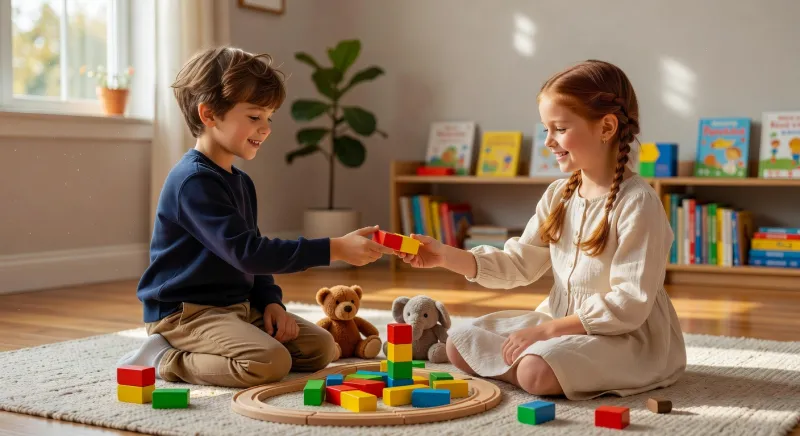
Caregivers observe improved sharing among siblings. Clear systems reduce arguments over missing pieces. Kids learn responsibility through simple routines. Experts recommend these habits early.
Educational play grows naturally in tidy spaces. Children combine dolls with other toys more freely. They create stories and practice social skills. Order supports creativity rather than limiting it.
Zero to Three stresses the value of predictable environments. Such spaces help young children feel secure. Secure children explore more confidently. The result is stronger developmental progress.
Storage Solutions for Dolls
Shelves with divided compartments suit larger dolls. Each doll gets its own space. This prevents tangling of hair or clothing. Parents appreciate the reduced daily maintenance.
Hanging organizers work well for smaller dolls. Install them on closet doors. Children reach items without help. This setup saves floor space in small rooms.
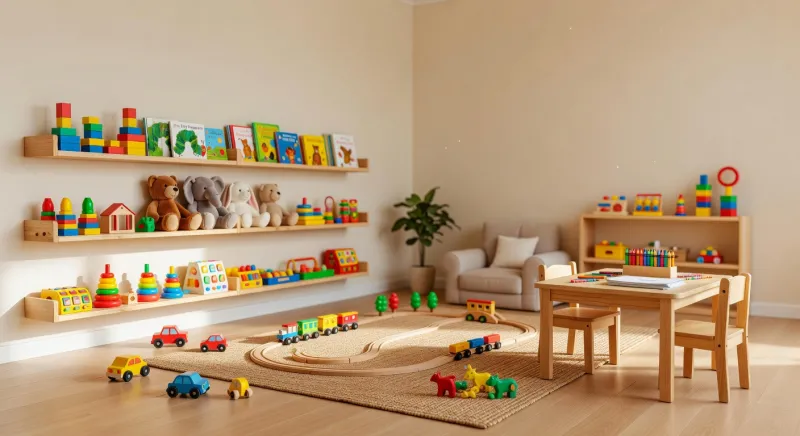
Under-bed bins hold seasonal dolls. Rotate them quarterly. Less clutter appears in main play areas. Educators use this method in classroom settings too.
Over-the-door pockets organize multiple dolls at once. Each pocket holds one doll upright. Air circulation keeps fabrics fresh. The system scales easily as collections grow.
Organizing Accessories
Small accessories need dedicated trays. Sort by function such as shoes or hats. Place trays near matching dolls. Quick matching happens during cleanup time.
Clear jars display favorite pieces. Children see options without opening lids. This visual cue sparks new play ideas. Caregivers value the reduced search time.
Drawers with dividers keep tiny items sorted. Label each section by color or theme. Older children maintain the system themselves. Responsibility builds naturally through these tasks.
Weekly checks catch stray accessories. Return lost items to correct spots. Consistent habits prevent buildup of clutter. The play area stays inviting every day.
Maintaining the System
Monthly reviews keep the organization fresh. Check for damaged items during these checks. Repair or retire pieces as needed. Parents keep collections manageable this way.
Children participate in weekly resets. Assign simple jobs by age. Praise their efforts openly. Positive reinforcement strengthens good habits.
Storage locations stay consistent over time. Everyone knows where items belong. Quick cleanup becomes automatic. Educators apply the same principle in group settings.
Seasonal adjustments account for new gifts. Add space before holidays arrive. Proactive planning avoids sudden overflow. The system remains effective year after year.
Involving Children in the Process
Start with short sorting games. Make the task feel like play. Children learn categories while helping. Engagement stays high throughout the activity.
Let kids choose labels and colors. Ownership increases when choices are theirs. They respect the system more readily. Caregivers notice better compliance after this step.
Model the expected behavior daily. Show gentle handling of delicate pieces. Children copy observed routines quickly. Modeling works better than repeated instructions alone.
Celebrate completed tasks together. A tidy space becomes a shared win. Positive feelings encourage continued participation. Long-term success depends on this involvement.
For trusted child development resources, visit NAEYC and Zero to Three.
Frequently Asked Questions
How can parents start organizing a large doll collection?
Begin by emptying all storage areas and sorting items on the floor. Group dolls by size first. Then match accessories to each group. Finally choose bins that fit your available space. This process takes one afternoon for most families.
What containers work best when learning how to organize dolls and accessories?
Clear plastic bins with lids keep dust away while showing contents. Shallow trays suit small accessories well. Hanging pockets save floor space in tight rooms. Choose sturdy options that survive daily child use.
Why does an organized doll area support kids development?
Children spend more time playing when items are easy to locate. They practice decision making during cleanup. Social skills improve through shared sorting tasks. Predictable spaces reduce frustration and encourage longer focus.
How often should caregivers review doll storage systems?
Perform a quick review every month to catch stray pieces. Conduct a full reset each season when new items arrive. Adjust labels as children grow and reach higher shelves. Regular attention keeps the system functional and inviting.
Can educators apply these methods in classroom settings?
Yes. Use labeled bins that multiple children can access safely. Rotate displayed dolls to maintain interest across the group. Teach simple return rules during daily transitions. These roles help maintain order without constant adult intervention.
Final Thoughts
Consistent organization transforms doll play into valuable learning time. Parents, caregivers, and educators all benefit from calm, accessible spaces. Small daily habits create lasting order and support kids development.
Start with one section of the collection today. Add systems gradually as success builds confidence. The results appear quickly in both tidiness and play quality. Explore more ideas in educational toys for additional guidance.
Children thrive when their play materials stay manageable. Take action now to enjoy smoother routines and richer educational play experiences.