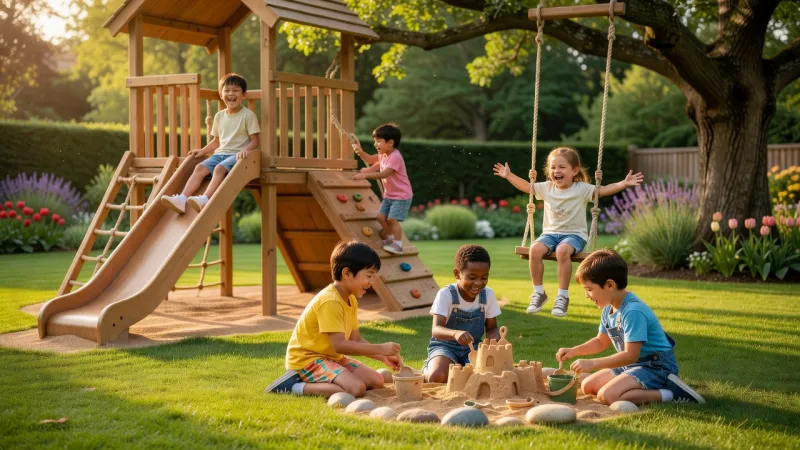
Outdoor games for toddlers offer many chances for growth. Parents and caregivers seek ways to support healthy habits early. Educators note the value of active time outside the home or classroom. These activities connect play with learning in natural settings.
- Start with short sessions to match toddler attention spans.
- Use simple objects like balls or cones from children toys collections.
- Focus on basic movements such as running or tossing.
- Include group play to build social skills with peers.
- Watch for signs of fatigue and end activities early.
- Choose safe spaces free from hazards like traffic.
- Repeat games often to reinforce new abilities over time.
Benefits of Outdoor Games for Toddlers
Outdoor games for toddlers help build strong bodies. Toddlers gain balance and coordination through movement. Experts recommend daily outdoor time for physical health. This practice supports overall kids development in early years.
Parents find that these games improve mood and sleep patterns. Fresh air and activity reduce restlessness at home. Caregivers observe better focus during indoor tasks afterward. Educators note gains in motor skills during classroom transitions.
Regular play outdoors encourages curiosity about the world. Toddlers explore textures like grass or sand during games. Such experiences lay foundations for later learning. Professionals in this field know that early exposure matters greatly.
These games also foster emotional growth. Children learn to share and take turns in simple rules. Families see increased confidence after successful play. Caregivers report stronger bonds formed during shared outdoor moments.
Simple Outdoor Games for Toddlers
Ball rolling works well for young toddlers. Place a soft ball on the ground and encourage gentle pushes. This builds arm strength and hand eye coordination. Repeat the action in short bursts throughout the day.
Chasing bubbles provides fun movement practice. Adults blow bubbles while toddlers run and reach. The activity promotes running and jumping skills. Parents enjoy watching natural laughter during these moments.
Obstacle courses use everyday items like pillows or hoops. Set up a path for toddlers to step over or around. This teaches problem solving in a playful way. Educators adapt similar setups in school yards.
Water play with buckets and cups adds sensory elements. Toddlers pour and splash under supervision. The game supports fine motor control and creativity. Caregivers keep sessions brief to avoid over tiredness.
Incorporating Educational Play in Outdoor Activities
Educational play blends naturally with outdoor games for toddlers. Counting steps during a walk turns exercise into math practice. Parents point out colors of leaves or toys to build vocabulary. This approach strengthens cognitive skills without formal lessons.
Caregivers use songs during movement games to aid memory. Rhymes about animals or actions keep toddlers engaged longer. Educators integrate stories about nature into playtime routines. The combination supports language growth alongside physical activity.
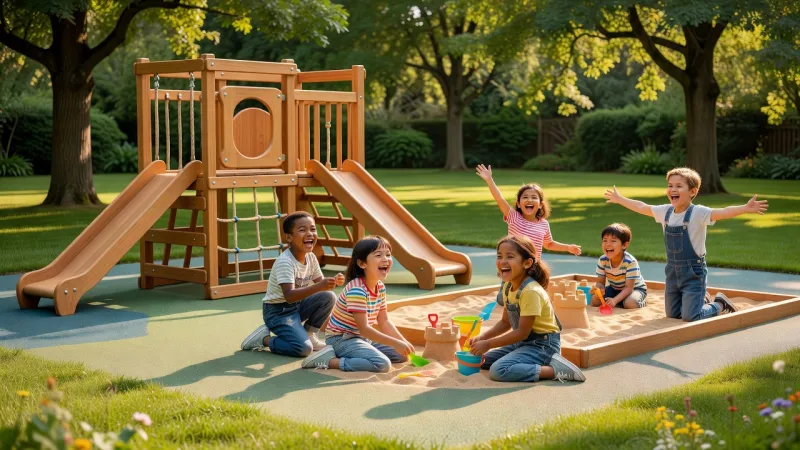
Simple sorting games with stones or leaves add structure. Toddlers group items by size or shape during breaks. Such tasks develop early classification abilities. Professionals in this field know these moments build lasting habits.
Linking play to educational toys extends learning at home. Families bring durable items outside for continued exploration. This method connects indoor lessons with outdoor freedom. Toddlers show improved retention through repeated hands on use.
Safety Tips for Outdoor Games
Supervision remains essential during all outdoor games for toddlers. Adults stay close to prevent falls or mishaps. Clear the area of sharp objects before starting play. Parents check weather conditions to avoid extreme heat or cold.
Choose age appropriate equipment from trusted sources. Soft balls and low obstacles reduce injury risks. Caregivers teach basic rules like staying in bounds. These steps create secure environments for free exploration.
Proper clothing supports comfort and movement. Light layers allow toddlers to run without restriction. Sunscreen and hats protect skin during sunny days. Educators prepare similar guidelines for group outings.
Hydration breaks keep energy levels steady. Offer water after each short game segment. Watch for signs of overheating in active children. Families plan shaded spots for rest periods as needed.
How Parents and Educators Can Support Play
Parents model enthusiasm to encourage toddler participation. Join in games to show that activity is enjoyable. Caregivers rotate toys to maintain interest over weeks. This variety prevents boredom and supports ongoing kids development.
Educators create group schedules that include daily outdoor time. They observe individual progress and adjust games accordingly. Collaboration with families ensures consistent approaches across settings. Professionals in this field know shared goals lead to better results.
Resources like NAEYC offer guidance on age suitable activities. Parents review these ideas to plan home sessions. Educators apply similar principles in structured programs. The focus stays on fun and safety at every step.
Linking to active outdoor toys helps families select durable options. Quality items withstand repeated use in various weather. Caregivers store equipment properly to extend lifespan. Toddlers benefit from reliable tools during regular play.
Choosing the Right Children Toys for Outdoor Fun
Children toys designed for outdoors must be sturdy and safe. Look for weather resistant materials that handle daily wear. Parents test items for sharp edges before purchase. This care ensures long term value and toddler safety.
Educational elements in toys add depth to games. Items with numbers or shapes turn play into learning. Caregivers match toy complexity to each child's stage. Educators recommend sets that grow with the toddler over time.
Storage solutions keep outdoor toys organized and accessible. Bins or racks prevent loss and damage from elements. Families involve toddlers in cleanup to teach responsibility. Such routines build positive habits around playtime.
Consult resources from Zero to Three for selection tips. Parents gain ideas on matching toys to developmental milestones. Educators use these insights when stocking classroom supplies. The right choices support active and meaningful outdoor games for toddlers.
Frequently Asked Questions
What outdoor games for toddlers work best in small yards?
Simple ball rolling or bubble chasing fit well in limited spaces. Parents set up short paths with soft cones for stepping games. These options need little room yet build coordination skills. Caregivers supervise closely and keep sessions under twenty minutes. Toddlers gain movement practice without needing large areas.
How do outdoor games for toddlers help with early learning?
Movement activities support balance and spatial awareness in young children. Parents count steps or name colors during play to add language practice. Educators note improved focus after regular outdoor time. Caregivers choose toys that encourage exploration and problem solving. These experiences lay groundwork for later academic success.
Are there safe ways to include water in toddler outdoor play?
Shallow buckets with cups allow safe pouring and splashing. Adults remain nearby at all times to prevent slips. Use clean water and check temperatures before starting. Caregivers limit time to avoid chills or overexcitement. Such play builds fine motor skills through sensory fun.
What age range suits most outdoor games for toddlers?
Activities work well from eighteen months through three years. Parents adjust rules based on walking ability and attention. Educators group children by similar skill levels for group games. Caregivers observe each child and modify challenges as needed. This field benefits from flexible approaches tailored to individuals.
Can these roles build social skills in group settings?
Shared games teach turn taking and cooperation naturally. Parents model polite interactions during play with siblings or friends. Educators plan paired activities that encourage communication. Caregivers praise positive behaviors to reinforce good habits. Positions in this industry often highlight teamwork as a key outcome.
Final Thoughts
Outdoor games for toddlers create valuable opportunities for growth. Parents, caregivers, and educators play key roles in providing these experiences. Consistent practice leads to stronger physical, social, and cognitive abilities.
Start small with daily sessions and build from there. Quality children toys and safe spaces make the difference. Explore more options through age based toys for continued ideas.
Action today supports long term kids development success.