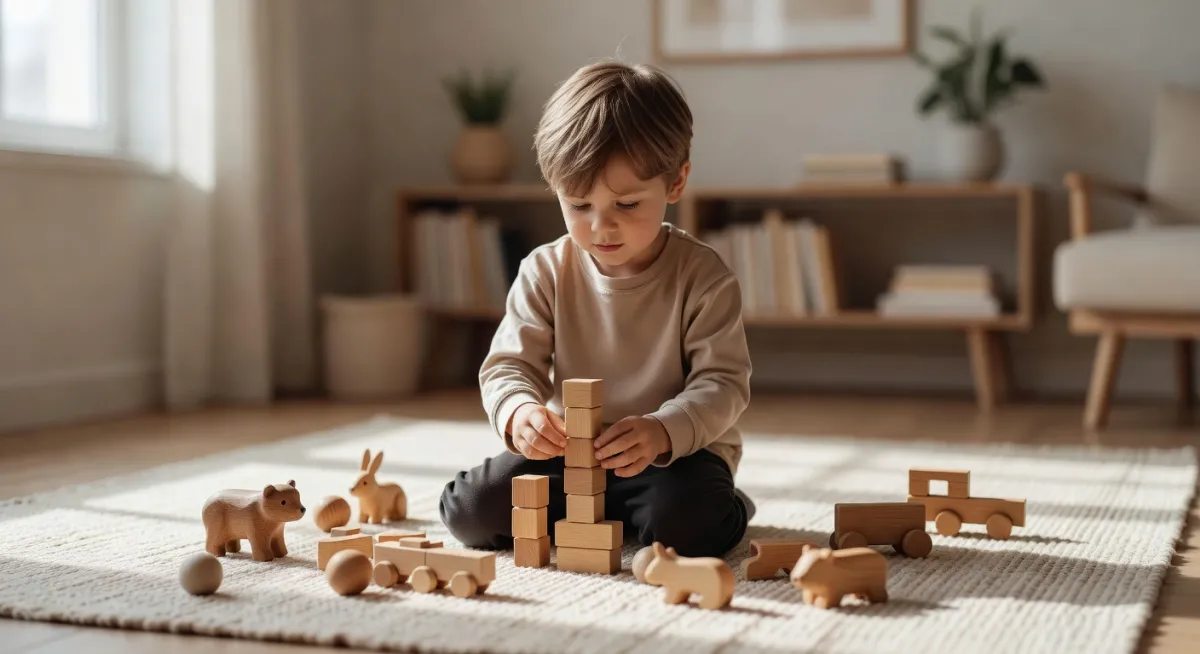
For parents, caregivers, and educators, finding meaningful ways to engage young children indoors is vital. Preschoolers, typically aged 3 to 5, are at a critical stage of growth. Their curiosity and energy need outlets that foster skills and creativity. This article explores preschoolers activities at home that nurture development while keeping little ones entertained.
- Set up a daily routine with varied play to maintain interest.
- Use household items for crafts to spark creativity affordably.
- Incorporate storytelling to build language and imagination skills.
- Create simple obstacle courses for physical activity indoors.
- Encourage pretend play with costumes or props for social growth.
- Introduce basic puzzles to enhance problem-solving abilities.
Why Preschoolers Activities at Home Matter
Preschoolers are sponges for learning during these formative years. Their brains develop rapidly, forming connections through play and interaction. Activities at home provide a safe space to explore these skills. For parents, this means shaping growth without formal settings.
Educators note that home-based play builds foundational abilities. Skills like fine motor control and social interaction start here. Without structured activities, children may miss key developmental steps. Home becomes a vital learning ground for young minds.
Caregivers can use everyday moments to teach life skills. Simple tasks turn into lessons on responsibility and focus. Folding clothes or sorting toys teaches order and patience. These small acts lay groundwork for future success.
Experts from NAEYC emphasize play as essential for growth. Home activities bridge gaps when preschool isn't an option. They keep children engaged while reinforcing emotional bonds. Parents and caregivers become active partners in this journey.
Crafting Fun: Creative Projects for Preschoolers
Crafting offers endless possibilities for preschoolers at home. It boosts fine motor skills and sparks imagination. Parents can use basic supplies like paper and glue. This keeps costs low while maximizing fun.
Start with simple projects like making paper animals. Cut out shapes and let children decorate them. This builds hand-eye coordination and artistic expression. Caregivers can guide without taking over the process.
Another idea is creating a family scrapbook together. Use old photos or drawings for pages. Preschoolers learn storytelling while bonding with adults. Educators can suggest themes to tie into learning goals.
For variety, try nature crafts using leaves or twigs. Collect items during a quick walk outside. Then, glue them onto cardboard for unique art. This connects children to their environment while teaching patience.
Physical Play: Indoor Movement Ideas
Physical activity is crucial for preschoolers' health and energy release. Indoors, space may be limited, but options abound. Parents can set up easy games to keep kids moving. This supports gross motor skills effectively.
Try a simple obstacle course with cushions and chairs. Create tunnels to crawl through or hoops to jump over. Time their progress for added excitement. Caregivers can cheer them on to build confidence.
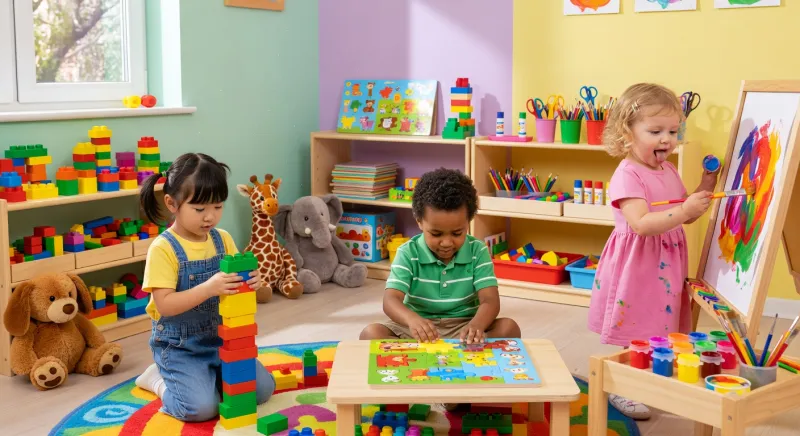
Indoor scavenger hunts work well for active play too. Hide small objects around the house for kids to find. Add clues to challenge their thinking skills. This blends physical effort with problem-solving fun.
Educators stress balancing activity with rest periods. After play, a quiet storytime helps children wind down. Use resources from active play toys for inspiration. Movement at home keeps preschoolers fit and focused.
Imaginative Play: Encouraging Storytelling and Role-Play
Imaginative play is a cornerstone of preschool development. It builds social and emotional skills through pretend scenarios. Parents can facilitate this with minimal props. A blanket can become a castle instantly.
Set up a dress-up corner with old clothes or hats. Let preschoolers act as doctors or chefs. This fosters empathy as they mimic adult roles. Caregivers can join in to model positive interactions.
Storytelling is another powerful tool for imagination. Read a book, then ask kids to create their ending. This sharpens language skills and critical thinking. Educators often use this to teach narrative structure.
Explore more ideas with imaginative play tools for inspiration. Experts at Zero to Three highlight role-play's impact on emotional growth. It helps preschoolers process feelings safely. Home becomes a stage for endless creativity.
Educational Games: Learning Through Play
Learning doesn't need to feel like a chore for preschoolers. Games can teach numbers, letters, and more. Parents can use everyday items for educational play. This makes lessons accessible and engaging.
Try a counting game with kitchen utensils or toys. Ask children to group items by number. This introduces basic math in a hands-on way. Caregivers can adapt difficulty based on the child's level.
Letter recognition works well with homemade flashcards. Write letters on index cards for matching games. Sing alphabet songs to reinforce learning. Educators find this method builds early literacy skills.
Puzzles also support cognitive growth at home. Start with simple shapes, then progress to numbers. This teaches problem-solving and patience over time. Preschoolers activities at home like these ensure learning feels fun.
Building Routines: Structuring Playtime for Growth
Routines give preschoolers a sense of security and order. Structured playtime helps them anticipate activities. Parents can create a daily schedule with varied tasks. This balances learning and free play effectively.
Start mornings with a calming activity like reading. Then, transition to active play for energy release. Afternoon crafts or puzzles keep minds engaged. Caregivers can tweak schedules to fit family needs.
Consistency in routines builds self-discipline in young children. They learn to follow patterns and manage time. Educators note this prepares them for school settings. Small habits at home create big impacts later.
Incorporate preschoolers activities at home into daily plans. Rotate between physical, creative, and educational tasks. This prevents boredom while supporting all-around growth. Home routines turn chaos into productive learning moments.
Frequently Asked Questions
What are some easy preschoolers activities at home?
Finding simple activities for preschoolers at home is easier than many think. Start with crafts using paper, glue, and crayons for quick setups. Indoor scavenger hunts with hidden toys encourage movement and thinking. Storytime with interactive questions boosts language skills effortlessly. Parents can also use household items for counting games. These ideas require minimal prep but deliver big developmental benefits.
How can I keep my preschooler engaged indoors?
Keeping a preschooler engaged at home takes variety and planning. Rotate between physical games, crafts, and quiet play daily. Set up a small obstacle course for energy release. Add pretend play with costumes to spark imagination. Caregivers can join in to maintain interest and connection. Preschoolers activities at home work best with consistent, short bursts of focus.
What materials do I need for preschool activities?
Basic materials for home activities are often already in reach. Paper, crayons, and glue cover most craft needs. Old clothes or blankets work for dress-up play. Use small toys or utensils for counting or sorting games. Parents don't need fancy supplies to create fun. Everyday items turn into tools for learning and growth.
How much time should preschoolers spend on activities?
Preschoolers thrive with short, focused play sessions at home. Aim for 15 to 20 minutes per activity before switching. Balance active and quiet tasks across a few hours daily. Caregivers should watch for signs of boredom or fatigue. Adjust based on the child's mood and energy. This approach keeps engagement high without overwhelm.
Are there free resources for preschool activity ideas?
Plenty of free resources exist for activity inspiration at home. Websites like NAEYC offer tips on developmental play. Local library sites often share storytime videos or craft guides. Social media groups for parents provide peer ideas too. Educators can point to printable worksheets online. Exploring these options saves time and money for caregivers.
Final Thoughts
Engaging preschoolers at home is both a challenge and an opportunity. Activities like crafting, physical play, and educational games support kids' growth. Parents, caregivers, and educators can use these ideas to build skills. Consistency and creativity turn any home into a learning hub.
Start small with preschoolers activities at home, then expand as confidence grows. Explore more options through resources like educational play tools. Every effort shapes a child's future in meaningful ways.
Take action today by picking one activity to try. Observe how the child responds and adjust accordingly. Home-based play is a powerful tool for development and bonding.