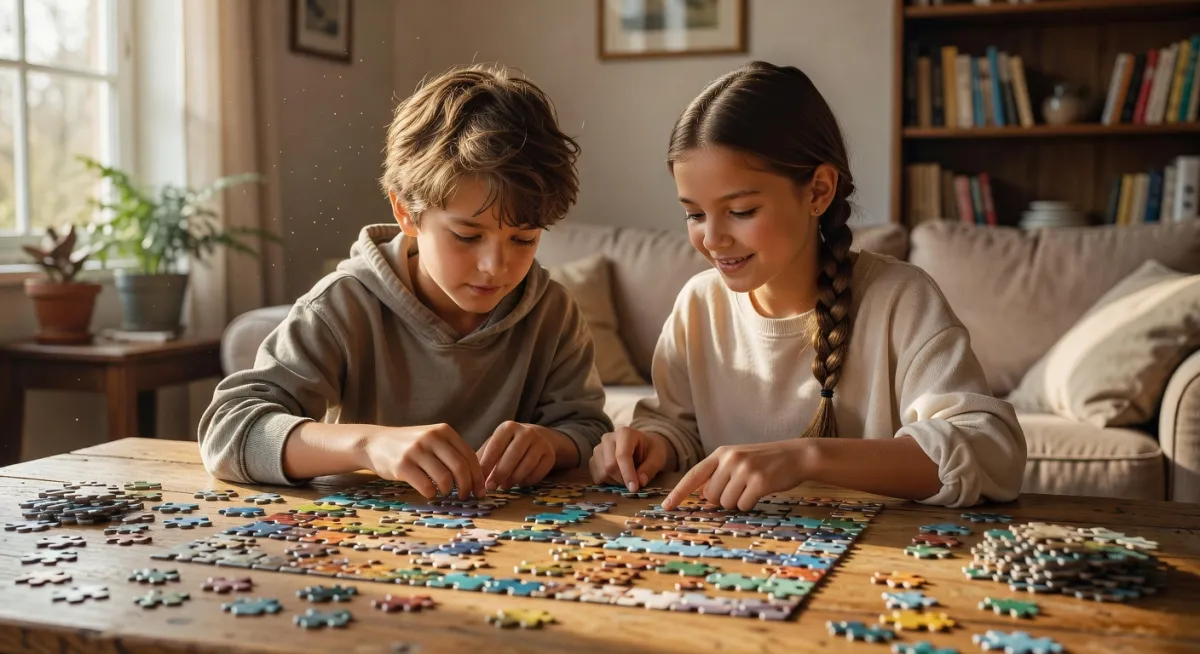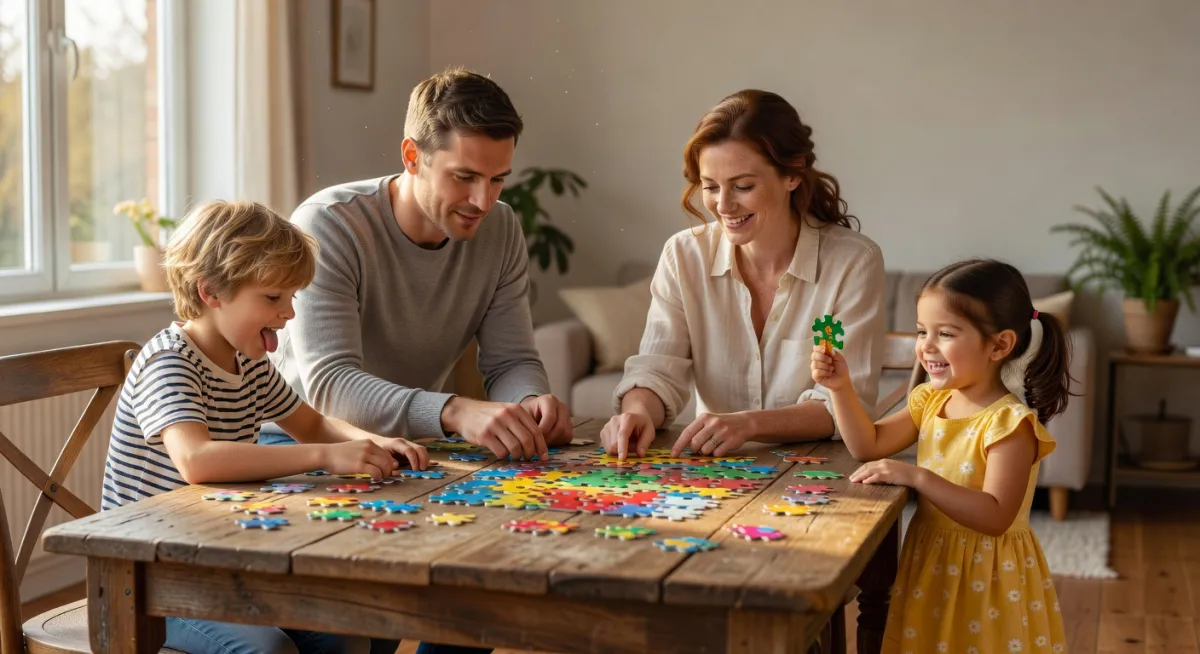
Navigating the world of toys for young children can be overwhelming for parents, caregivers, and educators. With so many options, finding toys that entertain and support growth is key. Puzzles for 3 year olds offer a perfect blend of fun and learning. These simple yet powerful tools help little ones build critical skills during a formative stage.
- Choose puzzles with large, easy-to-grasp pieces for safety and handling.
- Look for bright, engaging designs to capture a child's interest.
- Opt for puzzles with 4-12 pieces to match a 3-year-old's skill level.
- Focus on themes like animals or shapes to teach new concepts.
- Supervise play to guide and encourage problem-solving efforts.
- Join in to make puzzling a bonding activity for adults and kids.
- Store pieces in labeled containers to teach organization skills.
Why Puzzles for 3 Year Olds Matter in Early Development
For parents and caregivers, understanding the value of puzzles is essential. At age 3, children are rapidly developing cognitive and motor skills. Puzzles provide a hands-on way to support this growth. They challenge young minds to think critically and solve problems.
Educators note that puzzles help build spatial awareness. Children learn how pieces fit together, grasping concepts like shape and size. This early exposure lays a foundation for math and geometry skills. It also boosts confidence as kids complete tasks independently.
Beyond academics, puzzles refine fine motor skills. Grasping and placing pieces strengthens hand-eye coordination. For caregivers, this means puzzles aid in everyday tasks like holding utensils. The benefits are both immediate and long-lasting.
Lastly, puzzles encourage patience and focus. Three-year-olds often struggle with attention spans. Working on puzzles teaches them to stick with a challenge. Parents find this helps with emotional regulation and persistence in other areas.
Key Benefits of Puzzles for Young Children
Puzzles offer a wealth of advantages for 3-year-olds, delighting parents. These toys are more than just games; they're learning tools. They engage children in ways that screens cannot match. This hands-on play is crucial for early growth.
One major benefit is cognitive development. Puzzles for 3 year olds stimulate logical thinking and memory. Kids learn to recognize patterns and test solutions. Educators see this as a stepping stone to complex problem-solving later.
Emotional growth is another perk for young learners. Completing a puzzle brings a sense of achievement. Caregivers notice boosted self-esteem in children after success. This fosters a positive attitude toward challenges.
Social skills also improve through shared puzzle play. When adults join in, kids learn teamwork and communication. Parents can use this time to teach turn-taking. It's a simple way to build interpersonal skills at home.
How to Choose the Right Puzzles for 3 Year Olds
Selecting the perfect puzzle can feel daunting for parents and educators. Age-appropriateness is the first factor to consider. Puzzles for 3 year olds should have fewer, larger pieces. This ensures safety and matches their developmental stage.
Material matters when picking a puzzle for young kids. Wooden or thick cardboard options are durable and safe. They withstand rough handling by eager little hands. Caregivers appreciate toys that last through repeated use.
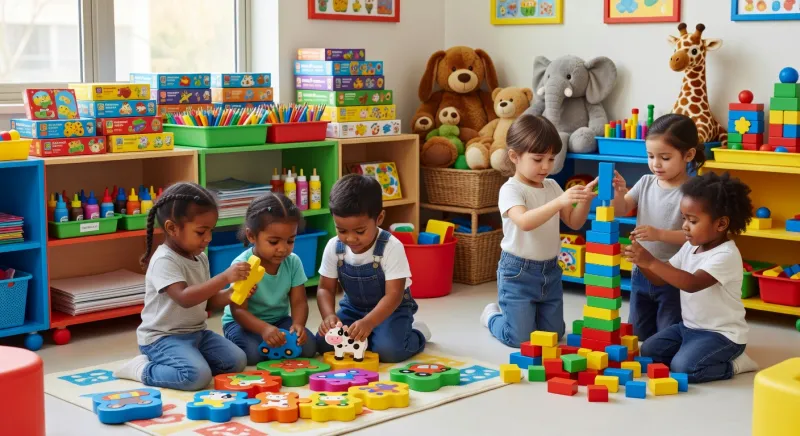
Designs should be engaging and educational for best results. Look for themes like farm animals or vehicles. These spark curiosity and teach new words. Parents can reinforce learning by discussing the images during play.
Lastly, consider the child's interests and skill level. Some 3-year-olds may be ready for slightly harder puzzles. Others might need simpler designs to build confidence. Educators suggest observing a child's reactions to tailor choices.
Tips for Introducing Puzzles to 3-Year-Olds
Introducing puzzles for 3 year olds requires patience from adults. Start with a calm, distraction-free environment for focus. Lay out the pieces on a flat surface like a table. This helps children see all options clearly.
Begin by showing how pieces connect without doing it all. Point out colors or shapes as hints. Let the child take the lead in fitting them together. Parents find this builds independence and problem-solving skills.
Offer praise for effort, not just completion. Celebrate small wins like finding a matching piece. This keeps motivation high for young learners. Caregivers note that encouragement prevents frustration during play.
If a child struggles, step in with gentle guidance. Break the task into smaller steps for clarity. Avoid taking over completely to maintain their interest. Educators recommend this balance for effective learning experiences.
Where Puzzles Fit in a Child's Toy Collection
For parents building a toy collection, puzzles are a must-have. They complement other play categories seamlessly. Pair them with age-based toys for a tailored experience. This ensures developmental needs are met.
Puzzles also align well with educational toys in a child's space. Both focus on learning through engagement. They reinforce concepts like numbers or letters playfully. Caregivers value this dual benefit in playtime.
Unlike high-energy toys, puzzles offer quiet, focused activity. They balance out active playtime for young kids. This variety keeps children engaged without overstimulation. Educators see this as vital for well-rounded growth.
Resources from trusted organizations support puzzle use in play. Groups like NAEYC highlight their role in early education. Similarly, Zero to Three emphasizes hands-on learning for toddlers. Parents can trust these insights for guidance.
Encouraging Long-Term Interest in Puzzles
Fostering a love for puzzles starts early for 3-year-olds. Parents can make puzzling a regular activity at home. Set aside time each week for this focused play. Consistency builds familiarity and excitement.
Rotate different puzzles to keep things fresh for kids. Introduce new themes or slightly harder designs over time. This prevents boredom and encourages skill growth. Caregivers find variety sparks renewed interest often.
Involve storytelling to enhance puzzle play for children. Create a short tale about the puzzle's picture. This adds an imaginative layer to the task. Educators note this boosts engagement and creativity.
Finally, display completed puzzles to celebrate effort. Hang them on a wall or fridge temporarily. This shows children their work is valued. Parents see this pride fuels a desire to solve more.
Frequently Asked Questions
What are the best puzzles for 3 year olds to start with?
Finding the right starting puzzles for 3 year olds is key for parents. Begin with options that have 4-8 large pieces for easy handling. Look for wooden or thick cardboard materials to ensure durability. Themes like animals or simple shapes captivate young minds. Encourage play by joining in and offering hints. This builds confidence in early problem-solvers.
How many pieces should a puzzle for a 3-year-old have?
Puzzles for 3 year olds should typically have 4 to 12 pieces. This range matches their developmental abilities and attention spans. Too many pieces can overwhelm and frustrate young children. Start with fewer pieces and gradually increase as skills grow. Parents should observe reactions to adjust difficulty. Educators suggest this approach for steady progress.
Are wooden puzzles better than cardboard for young kids?
Wooden puzzles often outshine cardboard for 3-year-olds due to durability. They withstand rough handling and last through repeated use. Cardboard can tear or bend, posing safety risks over time. Wooden options also have thicker pieces for easier grasping. Caregivers appreciate their longevity in busy households. Choose based on a child's play style for best results.
Can puzzles help with my child's motor skills?
Absolutely, these activities are fantastic for motor skill development. Picking up and placing pieces refines hand-eye coordination in young kids. This practice strengthens small muscles in hands and fingers. Over time, it aids tasks like writing or buttoning shirts. Parents notice improvements in daily activities through such play. Educators endorse this method for early physical growth.
How often should a 3-year-old play with puzzles?
A 3-year-old can engage in this activity a few times weekly. Short sessions of 10-15 minutes prevent frustration and maintain interest. Adjust frequency based on the child's enthusiasm and focus. Caregivers should balance it with other play types for variety. Regular exposure builds skills without overwhelming young learners. Aim for consistency to see steady improvement.
Final Thoughts
Puzzles for 3 year olds are more than just toys; they're gateways to growth. They nurture cognitive, motor, and emotional skills in unique ways. Parents, caregivers, and educators can use them to support early learning. The benefits are clear in every completed piece.
Start small and build a collection that grows with the child. Explore options through resources like educational toys for more ideas. Every puzzle solved is a step toward confidence and capability.
Encourage this play today to see lasting impacts tomorrow. Observe, guide, and celebrate each milestone with young learners. Their joy in solving challenges will inspire adults too.