Parents, caregivers, and educators are always seeking toys that blend entertainment with growth. Ride on vehicles for kids offer a perfect mix of excitement and developmental benefits. These toys encourage physical activity, improve coordination, and spark imaginative play. This guide explores why these vehicles are a valuable addition to any child's playtime.
- Choose ride on vehicles for kids based on age and skill level for safety.
- Look for models with parental controls to ensure secure playtime experiences.
- Opt for vehicles that promote physical activity and outdoor engagement daily.
- Consider battery-powered or pedal options to match your child's energy needs.
- Prioritize durable designs to withstand rough play and last longer.
- Encourage imaginative scenarios with themed vehicles like cars or tractors.
- Always supervise young children during play to prevent potential accidents.
Why Ride On Vehicles for Kids Matter
Ride on vehicles for kids are more than just fun toys. They play a key role in a child's physical and cognitive growth. These toys help children develop motor skills as they steer and navigate. For parents, this means a chance to support active play.
Educators note that such vehicles foster spatial awareness. Children learn to judge distances and avoid obstacles while riding. This builds problem-solving skills in a natural, engaging way. Caregivers can use these toys to teach basic rules of movement.
Additionally, ride on toys boost social interaction. Kids often play together, taking turns or creating games. This helps them learn cooperation and communication early on. Parents see confidence grow as children master control over their vehicle.
Experts from NAEYC highlight the value of active play. Ride on vehicles encourage outdoor time, which is vital for health. They also reduce screen time, a concern for many families. Caregivers can feel good about offering such beneficial toys.
Types of Ride On Vehicles for Children
Ride on vehicles for kids come in many styles to suit different ages. Battery-powered cars are popular for young children who lack pedaling strength. These often mimic real vehicles with realistic sounds and lights. Parents appreciate the ease of use for little ones.
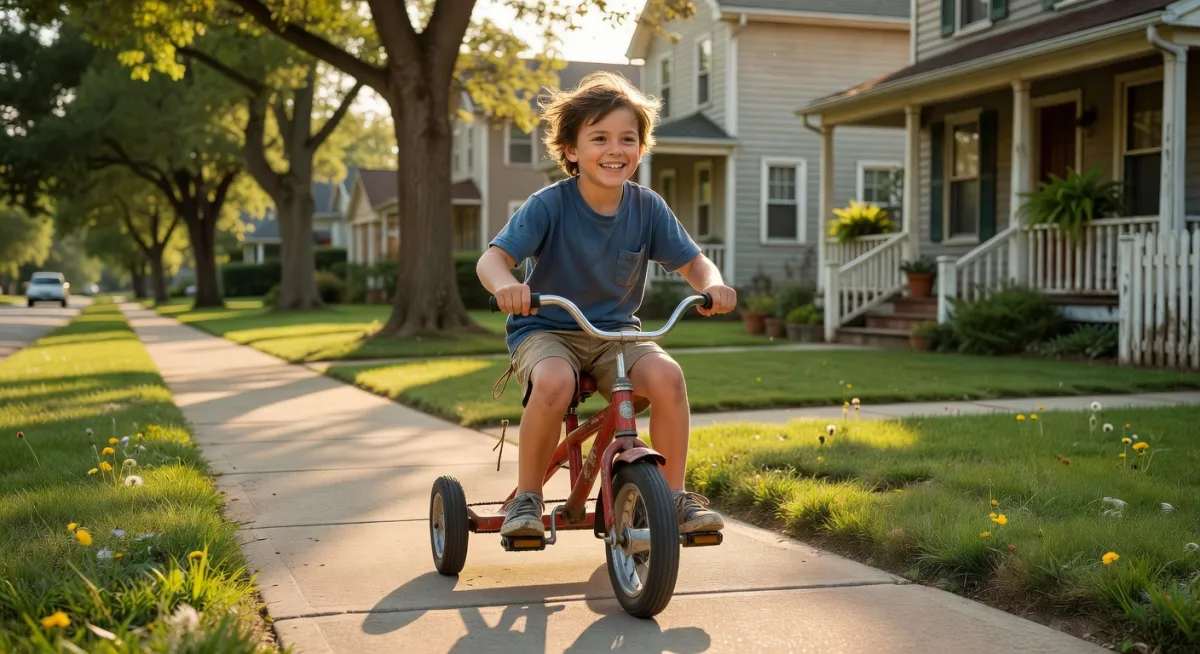
Pedal-powered options are great for older toddlers and preschoolers. They build leg strength and coordination through active effort. Such toys are often simpler and need no charging. Educators find these ideal for teaching cause and effect.
Push-along vehicles suit the youngest riders, often under two years. These rely on adults or older siblings for motion. They help babies feel included in playtime activities. Caregivers value the bonding opportunity this creates.
Specialty designs like tractors or motorcycles appeal to specific interests. These spark imaginative play with themed scenarios. Kids might pretend to farm or race, enhancing creativity. Parents can explore options at imaginative play toys for more ideas.
Developmental Benefits for Young Riders
Ride on vehicles for kids offer numerous developmental perks. Physically, they improve balance and coordination through steering and movement. This lays a foundation for sports and other activities. Parents notice stronger muscles in active children.
Cognitively, these toys enhance spatial reasoning and decision-making. Children learn to plan paths and react to surroundings. This sharpens critical thinking in a playful context. Educators use such tools to support early learning goals.
Emotionally, mastering a vehicle boosts self-esteem. Kids feel proud when they navigate successfully. This confidence spills over into other areas of life. Caregivers see happier, more independent children as a result.
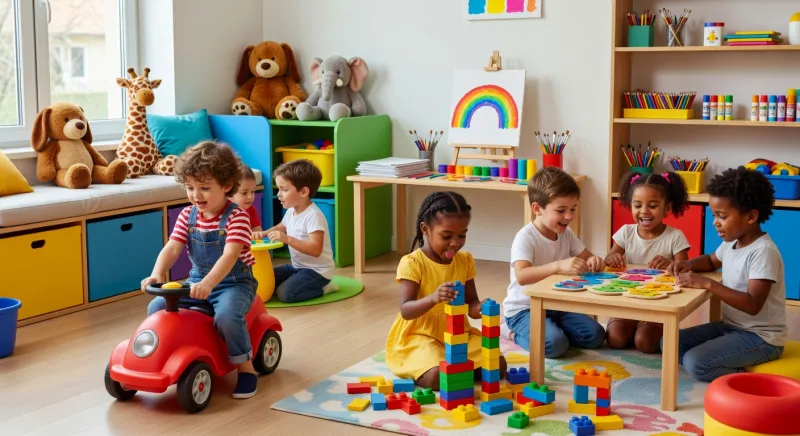
Socially, shared play with ride on toys builds teamwork. Children negotiate rules and take turns during group play. Resources from Zero to Three emphasize such interactions for growth. Parents can encourage these skills during outdoor sessions.
Safety Tips for Using Ride On Toys
Safety is a top priority with ride on vehicles for kids. Always choose age-appropriate models to match a child's abilities. Check weight limits and recommended ages before buying. Parents must ensure a proper fit for security.
Supervision is crucial, especially for younger riders. Stay close to intervene if needed during play. Set clear boundaries for where kids can ride. Caregivers should establish safe zones away from traffic.
Protective gear like helmets can prevent injuries. Even at slow speeds, falls can happen unexpectedly. Teach children to wear safety equipment every time. Educators reinforce this habit in group settings.
Regular maintenance keeps vehicles safe for use. Check for loose parts or worn tires often. Store toys properly to avoid damage over time. Parents can avoid hazards with consistent care routines.
How to Choose the Right Ride On Vehicle
Selecting ride on vehicles for kids requires careful thought. Start by considering the child's age and physical skills. Younger kids need simpler, stable designs with low speeds. Parents should match toys to developmental stages.
Think about the play environment as well. Indoor spaces need compact, lightweight options for easy movement. Outdoor areas allow for larger, rugged models built for terrain. Caregivers can assess spaces before deciding.
Battery life or manual power is another factor. Electric models suit kids who tire quickly during play. Pedal toys work for those ready for exercise. Educators suggest balancing ease with effort for growth.
Budget plays a role in the final choice. Prices vary widely based on features and brand. Look for durable options that last through rough use. Explore active outdoor toys for more affordable picks.
Frequently Asked Questions
What are the best ride on vehicles for kids under 3?
For children under 3, safety and simplicity are key when choosing ride on vehicles for kids. Push-along or low-speed battery-powered options work best for this age group. These ensure little ones can enjoy movement without the risk of falling. Look for models with sturdy bases and parental handles for control. Always supervise play to prevent mishaps in tight spaces. Parents can find lightweight designs that are easy to store.
How do ride on vehicles help child development?
Ride on vehicles for kids significantly boost physical and cognitive skills. They improve coordination and balance as children steer and move. These toys also enhance spatial awareness by teaching distance judgment. Socially, shared play fosters communication and teamwork among peers. Emotionally, mastering a vehicle builds confidence in young riders. Educators often use such tools to support holistic growth.
Are battery-powered ride on toys safe for kids?
Battery-powered ride on toys can be safe with proper precautions. Always check the recommended age and weight limits before purchase. Ensure the model has slow speed settings for beginners. Parental controls or remote overrides add an extra safety layer. Supervise children to avoid accidents on uneven ground. Caregivers should inspect batteries regularly for leaks or damage.
What safety gear is needed for ride on toys?
Safety gear is essential when children use ride on toys. Helmets are a must to protect against head injuries during falls. Knee and elbow pads offer extra cushioning for active play. Ensure gear fits snugly without restricting movement. Teach kids to wear protection every time they ride. Parents can model this behavior to reinforce the habit.
How much should parents spend on ride on toys?
The cost of ride on toys varies based on type and features. Basic push-along models can be quite affordable for tight budgets. Battery-powered options often cost more due to added technology. Set a realistic budget while prioritizing durability and safety. Look for sales or second-hand options in good condition. Caregivers can balance quality with price for the best value.
Final Thoughts
Ride on vehicles for kids are a fantastic way to merge fun with learning. They support physical growth, cognitive skills, and social interaction in unique ways. Parents, caregivers, and educators can use these toys to encourage active, imaginative play.
Choosing the right vehicle means focusing on safety and suitability. With proper guidance, these toys become tools for building confidence and skills. Explore more options at educational toys to enhance your child's playtime.
Take action today by assessing your child's needs and space. Invest in a ride on toy that sparks joy and growth. The smiles and milestones will be worth the effort.