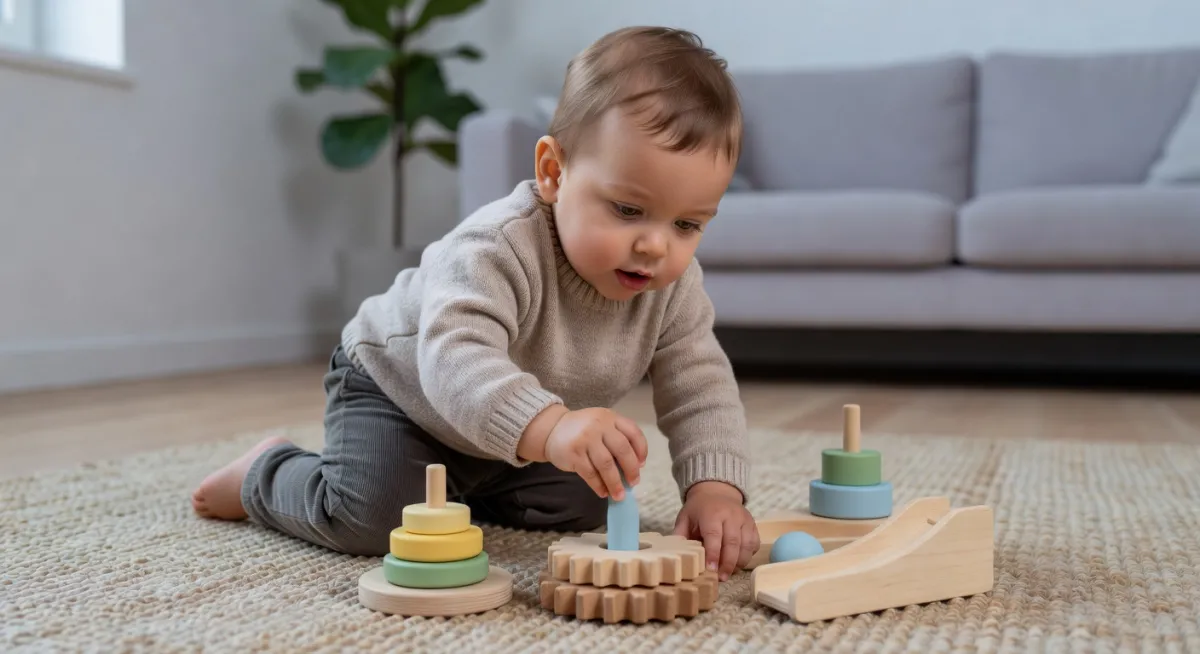
Raising a toddler is both a rewarding and challenging journey for parents, caregivers, and educators. Navigating this stage requires patience, creativity, and practical strategies to support growth. For those seeking toddler tips for parents, focusing on play as a tool for development is key. Toddlers, typically aged 1 to 3, are at a critical stage where their brains form connections rapidly. This article offers actionable advice to help adults foster skills through engaging activities.
- Encourage daily playtime to build motor and social skills.
- Use simple language to boost communication with toddlers.
- Set consistent routines for stability and security.
- Offer age-appropriate toys for learning and fun.
- Practice patience during tantrums to model calm behavior.
- Engage in outdoor activities for physical growth.
- Praise efforts to build toddler confidence.
Why Play Matters for Toddler Development
Play is the cornerstone of learning for toddlers. It's through play that they explore the world, test boundaries, and develop essential skills. For parents and caregivers, understanding the value of play is among the best toddler tips for parents. Play directly impacts cognitive, emotional, and physical growth at this age.
Experts from organizations like NAEYC emphasize that play builds problem-solving abilities. When toddlers stack blocks or sort shapes, they learn cause and effect. These activities also enhance focus and patience. Adults can support this by joining in and guiding without taking over.
Emotional development is another benefit of play. Toddlers express feelings through pretend games, learning empathy and social cues. Caregivers can use dolls or role-play to teach sharing. This helps toddlers process emotions in a safe space.
Finally, play promotes physical health. Running, jumping, or climbing improves coordination and strength. Parents should explore options in active outdoor toys to encourage movement. Daily playtime outdoors also boosts mood and energy levels.
Choosing the Right Toys for Growth
Toys are more than entertainment for toddlers; they're tools for learning. Selecting the right ones can make a big difference in development. Among the top toddler tips for parents is prioritizing age-appropriate toys. These match a child's skill level and interests.
For cognitive growth, puzzles and shape sorters are excellent choices. They challenge toddlers to think critically and solve problems. Parents can sit alongside, offering hints without solving it for them. This builds independence and confidence.
Emotional and social skills grow with toys like dolls or play kitchens. These encourage imaginative scenarios where toddlers mimic real life. Educators note that such play fosters communication skills. Caregivers can ask open-ended questions during play to spark conversation.
Physical skills benefit from toys like balls or ride-ons. These improve balance and motor control. Parents can check out options in age-based toys to find safe, suitable items. Always ensure toys are free of small parts to prevent choking risks.
Creating a Safe and Stimulating Environment
A toddler's surroundings play a huge role in their growth. Safety and stimulation must go hand in hand. One of the essential toddler tips for parents is designing a space that encourages exploration. This means balancing freedom with precautions.
First, childproof the home to prevent accidents. Secure sharp corners, lock cabinets, and keep small objects out of reach. Caregivers should regularly scan rooms for hazards. A safe space allows toddlers to move without constant worry.
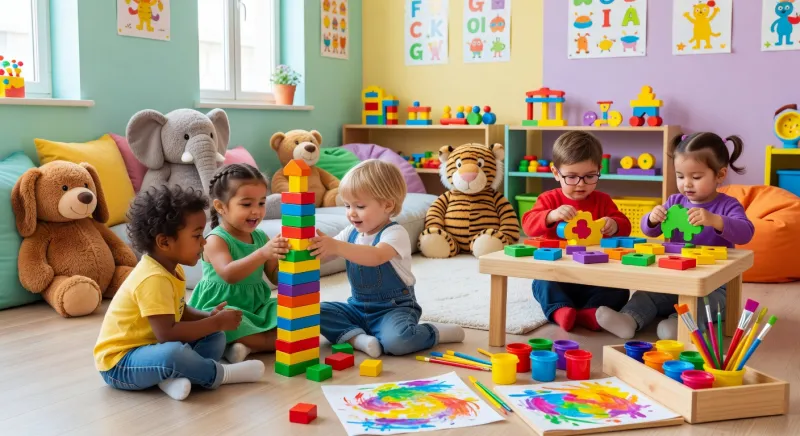
Next, fill the environment with engaging materials. Books, art supplies, and simple toys spark curiosity. Rotate items weekly to keep things fresh for toddlers. Educators suggest labeling storage bins to teach organization early on.
Finally, create zones for different activities. A quiet corner for reading and a play area for active games work well. Parents can involve toddlers in tidying up to build responsibility. A structured yet flexible space supports learning and play.
Building Routines for Stability
Toddlers thrive on predictability, which helps them feel secure. Consistent routines are vital for their emotional well-being. Among the key toddler tips for parents is establishing daily schedules. This provides a framework for growth and behavior.
Morning routines set the tone for the day. Start with a simple sequence like breakfast, dressing, and a short play session. Caregivers should keep timing consistent to avoid confusion. Toddlers learn to anticipate what comes next.
Bedtime routines are equally important. A calm wind-down with a story or song signals rest time. Parents should avoid screens before bed to prevent overstimulation. This habit promotes better sleep patterns.
Routines also teach time management and discipline. Include small tasks like putting away toys after play. Educators recommend praising compliance to reinforce good habits. Over time, these structures ease transitions and reduce tantrums.
Handling Tantrums and Emotional Outbursts
Tantrums are a normal part of toddlerhood as children learn to express feelings. They often stem from frustration or unmet needs. One of the practical toddler tips for parents is staying calm during these moments. This helps de-escalate the situation effectively.
Identify triggers that lead to outbursts. Hunger, tiredness, or overstimulation are common causes. Caregivers should track patterns to anticipate and prevent meltdowns. Offering a snack or nap can often resolve the issue.
During a tantrum, avoid arguing or giving in. Instead, stay nearby and speak softly to reassure the child. Parents can offer a comforting object like a favorite toy. This shows support without rewarding the behavior.
After the tantrum, discuss feelings in simple terms. Help toddlers name emotions like "angry" or "sad." Educators suggest using stories to teach coping strategies. Resources from Zero to Three offer further guidance on emotional development.
Encouraging Language and Communication Skills
Language development is a critical milestone for toddlers. It shapes how they connect with others. Among the best toddler tips for parents is fostering communication through daily interactions. Small efforts yield big results in this area.
Talk to toddlers often, even if they can't respond fully. Describe actions during play or chores to build vocabulary. Parents can say, "We're stacking blocks now," to reinforce words. Repetition helps with retention and understanding.
Reading aloud is another powerful tool. Choose books with bright pictures and simple text. Caregivers should point to images and ask questions like, "What's this?" This engages toddlers and sparks curiosity.
Sing songs and play rhyming games too. These activities make learning fun and improve speech patterns. Educators note that music boosts memory for words. Regular practice turns communication into a joyful shared experience.
Frequently Asked Questions
What are the best toddler tips for parents to manage behavior?
Managing toddler behavior starts with understanding their needs and limits. Set clear, simple rules and be consistent with consequences. Praise positive actions to reinforce good choices over time. Parents can also redirect attention during challenging moments by offering a new activity. Staying calm is crucial, as toddlers often mirror adult emotions. Lastly, ensure they get enough rest and food to minimize irritability.
How can I help my toddler develop social skills?
Social skills grow through interaction and play with others. Arrange playdates or join toddler groups to expose them to peers. Model sharing and kindness during these sessions to teach by example. Parents should also use toddler tips for parents like role-playing games to practice greetings. Be patient, as social learning takes time at this age. Encourage small steps, like saying "hi," to build confidence.
What toys are best for a 2-year-old's learning?
For a 2-year-old, toys that challenge thinking and movement are ideal. Blocks, puzzles, and stacking toys boost problem-solving and fine motor skills. Pretend play items like toy kitchens teach social roles and creativity. Caregivers can select safe, durable options suited to this age. Always supervise play to ensure safety with smaller pieces. These tools make learning engaging and fun.
How do I create a daily routine for my toddler?
Start by mapping out key activities like meals, naps, and playtime. Keep timings consistent to build a sense of security for the child. Use visual charts with pictures to help them understand the schedule. Caregivers should be flexible but firm to maintain structure. Involve the toddler in small tasks to foster ownership. Over time, this approach reduces resistance and eases transitions.
Why does my toddler have frequent tantrums?
Tantrums often happen because toddlers can't express needs or emotions yet. Frustration from hunger, fatigue, or overstimulation can trigger outbursts. Observe patterns to identify specific causes and address them early. Offer comfort and stay calm to help them feel safe during meltdowns. Teach simple words for feelings to improve communication over time. Patience and consistency are key to managing this phase.
Final Thoughts
Raising a toddler is a unique blend of challenges and joys for parents, caregivers, and educators. By focusing on play, routines, and emotional support, adults can guide toddlers toward healthy development. These toddler tips for parents provide a roadmap to nurture skills that last a lifetime.
Start small by integrating age-appropriate toys and consistent schedules into daily life. Explore resources like educational toys to enhance learning through fun. Every step taken today shapes a toddler's future success.
Take action now by trying one or two strategies from this guide. Observe how toddlers respond and adjust as needed. Their growth depends on the dedication and creativity of those who care for them.