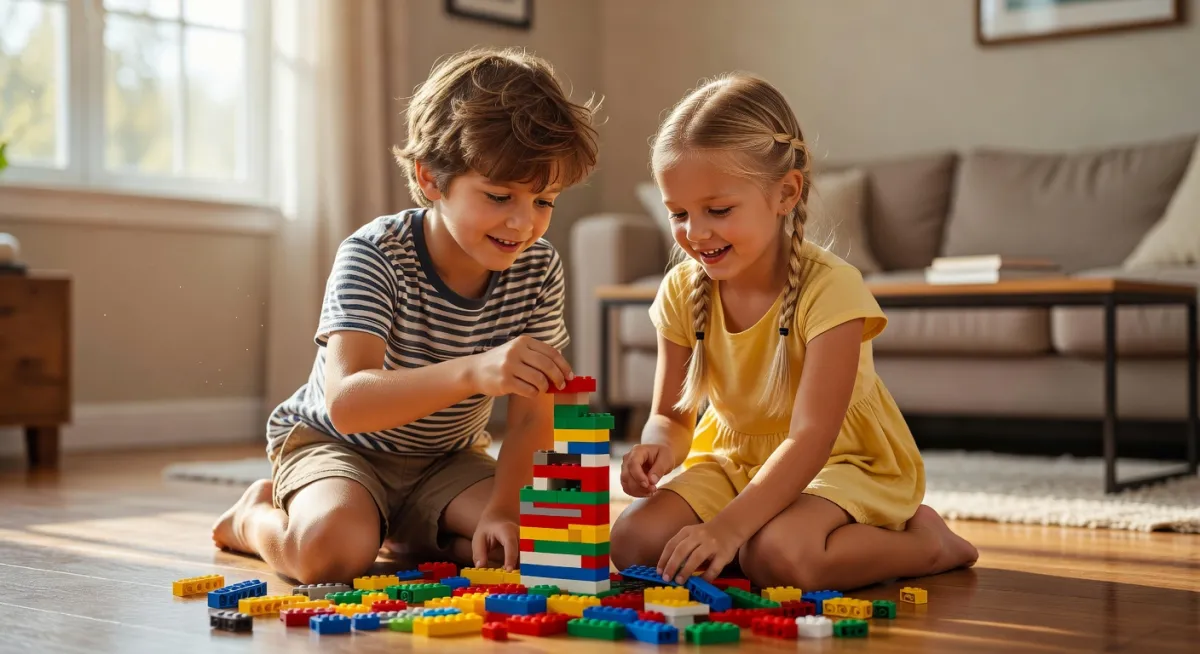
For parents, caregivers, and educators, finding toys that grow with children is a priority. Many wonder, can you mix Lego and Duplo to create engaging play experiences? These iconic building sets are staples in homes and classrooms. This article explores their compatibility, benefits, and practical tips for combining them to support kids' development.
- Understand that Lego and Duplo are designed by the same company and share a similar stud system.
- Know that Duplo bricks are larger, making them ideal for younger children, while Lego suits older kids.
- Mix them by connecting Duplo as a base and adding Lego details on top for stability.
- Use mixed sets to encourage creativity and problem-solving during playtime with children.
- Ensure safety by supervising young kids to avoid choking hazards with smaller Lego pieces.
- Organize bricks by size or type to make mixing and cleanup easier for everyone.
- Explore mixed builds to teach concepts like size, scale, and design to growing minds.
Understanding Lego and Duplo: Are They Compatible?
Lego and Duplo are both products of the same renowned toy company. They share a fundamental design with studs and tubes that allow bricks to connect. This raises the question for many: can you mix Lego and Duplo effectively? The answer is yes, but with some considerations.
Duplo bricks are significantly larger than standard Lego pieces. They are designed for toddlers and preschoolers with smaller hands and developing motor skills. Lego, on the other hand, targets older children with its smaller, more intricate pieces. This size difference affects how they fit together.
Despite the size gap, the stud system is compatible to an extent. A Lego brick can connect to a Duplo brick because the studs align in scale. However, the fit isn't always perfect, and structures may lack stability. Parents and caregivers should test connections before handing mixed sets to children.
For educators using these toys in classrooms, compatibility offers flexibility. Mixing sets can cater to different age groups in one activity. Still, it's vital to monitor for safety and ensure the builds don't frustrate young builders. Thoughtful planning makes this combination work well.
Benefits of Mixing Lego and Duplo for Kids Development
Combining Lego and Duplo isn't just about play—it's a boost for child growth. Parents often seek toys that support learning and creativity. Mixing these sets can enhance fine motor skills and spatial awareness. It's a practical way to engage kids at various stages.
For younger children, Duplo provides a safe, easy-to-grasp base. They can build large structures without struggling with tiny pieces. Adding Lego elements allows older siblings or peers to join in. This fosters teamwork and shared problem-solving among kids.
Educators note that mixed sets encourage imaginative play. Children can create complex designs, blending big and small elements. This process teaches concepts like balance, scale, and proportion naturally. It's an engaging method to introduce early engineering ideas.
Caregivers also see emotional benefits in this approach. Collaborative building reduces frustration for little ones while challenging older kids. It builds confidence as children see their ideas take shape. Mixing these toys creates a bridge for developmental milestones.
Safety Considerations When Mixing Lego and Duplo
Safety is a top concern for parents and caregivers during play. When asking, can you mix Lego and Duplo, consider the age of the children involved. Duplo is crafted for toddlers, with no small parts to pose risks. Lego, however, includes tiny pieces that can be hazardous.
For mixed-age playgroups, supervision is essential. Younger children might pick up small Lego bricks, risking choking. Caregivers must keep a close watch during building sessions. Setting clear boundaries helps manage this concern effectively.
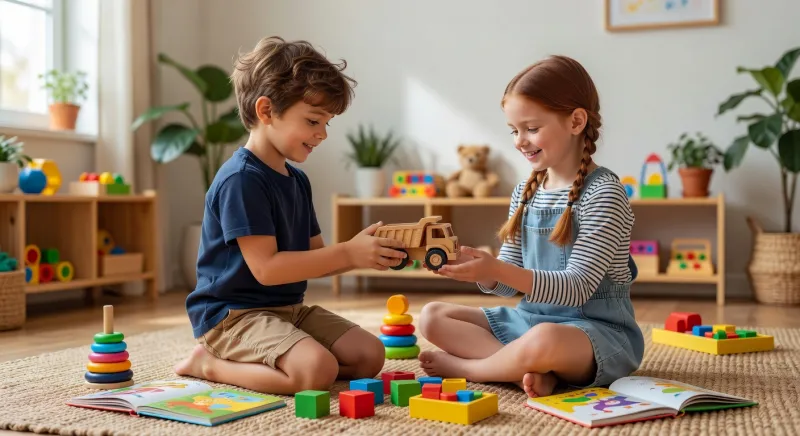
Educators in preschool settings should separate pieces by size if needed. Use bins to store smaller Lego parts out of reach of toddlers. Only introduce mixed sets when older children are present to guide. This ensures a safe environment for everyone.
Another tip is to check builds for loose small parts. Structures made from both sets may not always hold firm. Parents can reinforce connections or limit mixing to specific activities. Safety always comes first in playtime setups.
Creative Ideas for Combining Lego and Duplo in Play
Mixing Lego and Duplo opens up endless creative possibilities for children. Parents can guide kids to build hybrid structures that spark imagination. For instance, use Duplo as a sturdy base for a house. Then, add Lego details like windows or furniture.
Educators can design group projects with these combined sets. Assign younger kids to stack Duplo for a cityscape foundation. Older children can craft Lego vehicles or characters to populate it. This teamwork teaches planning and cooperation skills.
Caregivers might suggest themed builds to keep play focused. Create a farm with Duplo barns and Lego animals for variety. Such activities blend imaginative play with hands-on learning. Kids explore storytelling while building together.
Another idea is to build towers or bridges for testing. Use Duplo for height and Lego for intricate supports. This introduces basic physics in a fun way. Families can enjoy watching structures stand or fall during experiments.
Tips for Parents and Educators on Managing Mixed Sets
For those wondering, can you mix Lego and Duplo, managing the process is key. Parents should start by organizing bricks into separate containers. Label them by type or size for quick access. This prevents chaos during playtime with kids.
Educators can set up structured activities to guide mixed building. Create simple instructions or templates for children to follow. Pair younger and older kids to balance skill levels in groups. This approach maximizes learning and minimizes frustration.
Caregivers should allocate specific times for mixed play. Reserve complex builds for moments with adult supervision. Keep simpler Duplo-only tasks for independent play by toddlers. This ensures safety while encouraging growth through toys.
Lastly, explore resources from trusted organizations for more ideas. Sites like NAEYC offer insights on educational play. Additional tips from Zero to Three help with early development. These tools support effective use of building and construction toys.
Final Thoughts
Exploring whether can you mix Lego and Duplo reveals a world of opportunity for children's play. These sets, when combined, offer unique ways to support creativity and learning. Parents, caregivers, and educators can use this mix to engage kids of different ages.
From safety tips to creative ideas, blending these toys requires thoughtful planning. Start small, supervise closely, and organize pieces for smooth play sessions. Check out more resources on educational toys to expand playtime options.
Encourage children to experiment with mixed builds today. Watch as they develop skills and bond over shared projects. Mixing Lego and Duplo can truly transform play into a powerful learning tool.
Frequently Asked Questions
Can you mix Lego and Duplo bricks together safely?
Mixing Lego and Duplo bricks is possible due to their shared stud system. However, safety depends on the ages of the children playing. Smaller Lego pieces pose a choking hazard to toddlers who typically use Duplo. Parents and caregivers must supervise closely to prevent accidents. Separate small parts when younger kids are involved. Always prioritize a safe play environment over complex builds.
Are Lego and Duplo compatible for building structures?
Yes, Lego and Duplo are compatible to a certain extent for building. The studs on Duplo align with Lego bricks, allowing them to connect. However, the size difference can affect stability in larger structures. Parents should test connections before kids build extensively. Guide children to use Duplo as a base for sturdier results. This approach works well in mixed-age play settings.
How can mixing these bricks help my child's learning?
Combining these sets boosts a child's creativity and problem-solving skills. It teaches concepts like scale, balance, and design through hands-on play. Younger kids develop motor skills with larger pieces, while older ones tackle intricate details. Educators can use mixed builds to encourage teamwork in classrooms. Caregivers might notice improved focus during such activities. It's a fun way to support growth across ages.
What age groups are best for mixing these toy sets?
Mixing these building toys works best for children aged 3 to 8. Younger kids, around 3 to 5, handle the bigger pieces safely. Older children, 6 to 8, enjoy adding detailed elements to structures. Supervision is key for mixed-age groups to ensure safety. Parents should adjust activities based on each child's skill level. This range allows for collaborative and educational play.
How do I organize mixed brick sets for easy play?
Organizing mixed sets starts with sorting by size or type. Use separate bins for larger and smaller pieces to avoid confusion. Label containers for quick access during play sessions. Caregivers can involve kids in cleanup to teach responsibility. Store tiny components out of reach of toddlers for safety. This system keeps playtime smooth and stress-free for families.