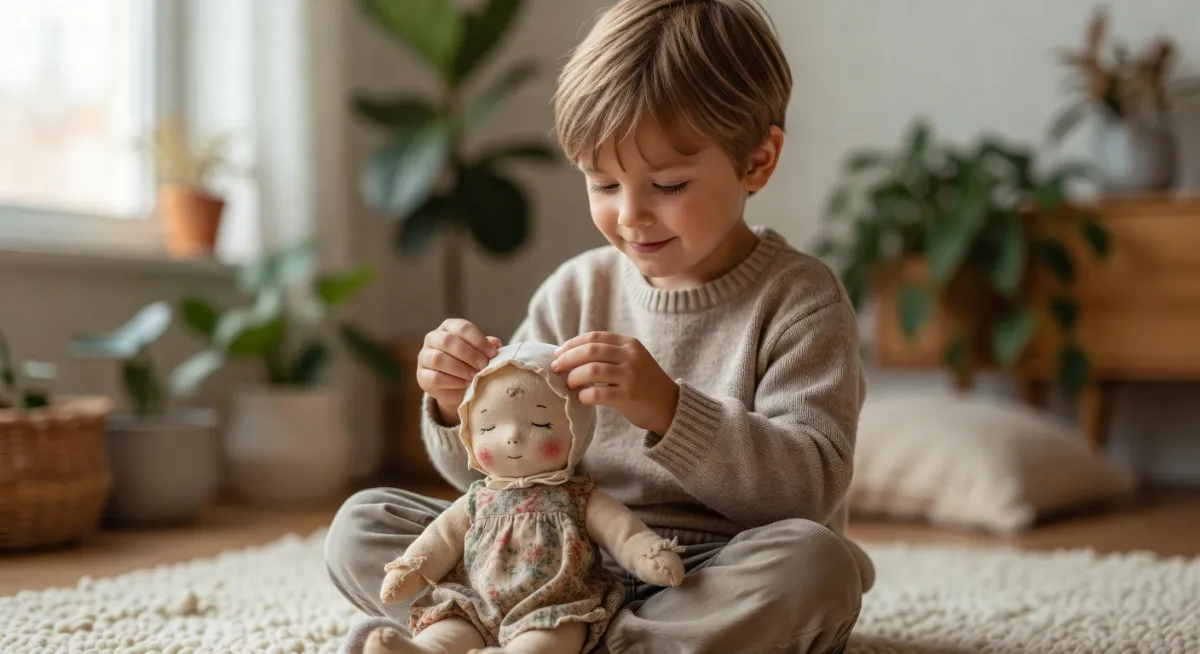
Parents, caregivers, and educators often face clutter from baby dolls and accessories. This issue affects play areas in many homes and classrooms. Learning how to organize baby dolls and accessories creates calm spaces. Such spaces support focused play and growth.
- Sort items by type before storage to speed up daily access.
- Use clear bins so children can see contents without opening them.
- Label every container with simple words or pictures for easy identification.
- Place frequently used dolls at child height for independent selection.
- Rotate accessories monthly to maintain interest and reduce overwhelm.
- Teach cleanup routines that tie directly to kids development goals.
- Review the system every few weeks and adjust based on usage patterns.
Benefits of Organized Doll Play
Child development experts recommend structured environments for play. Organized spaces help children focus longer on tasks. Parents find that tidy areas reduce frustration during daily routines.
Educators note improved social skills when toys remain accessible. Children learn responsibility through consistent cleanup habits. These practices build confidence in young learners over time.
Professionals in this field know that visual order aids memory. Kids recall where items belong after repeated use. This skill transfers to other learning areas at home or school.
Clear systems also protect doll accessories from damage. Families save money by extending the life of children toys. Caregivers appreciate the reduced time spent searching for missing pieces.
Initial Sorting Process
Begin by gathering every doll and accessory in one area. Separate items into groups such as dolls, clothes, and small props. Parents can involve older children in this step for added learning value.
Check each piece for damage or missing parts. Set aside items that need repair or donation. Educators often create a repair station for classroom use.
Count the remaining items to match storage capacity. This count prevents overstuffing bins later. Caregivers report better results when they complete this step first.
Group similar accessories together for quick retrieval. For example, keep all hats in one container. This method supports smooth transitions between activities.
Choosing Storage Solutions
Select bins that fit available shelf space in the play area. Clear plastic options allow quick visual checks. Parents find these bins durable for frequent use by young children.
Consider low shelves or cubbies for easy reach. Educators place similar units in classroom corners. This setup encourages independent access during free play time.
Label each bin with large text or icons. Use words like dolls or hats. Caregivers can update labels as collections grow.
Stackable units save floor space in smaller rooms. Professionals in this field suggest testing stack height for safety. Stable stacks prevent accidents during active play sessions.
Daily Maintenance Routines
Establish a short cleanup time after each play session. Five minutes often suffices for small groups. Parents model the process to reinforce good habits in children.
Return items to labeled spots immediately after use. This action keeps the system functional long term. Educators assign rotating helpers to share responsibility.
Inspect bins weekly for misplaced pieces. Quick fixes maintain order without major effort. Caregivers note that consistency prevents larger messes from forming.
Adjust routines based on family or classroom schedules. Flexible approaches work better than rigid rules. Child development experts recommend praise for successful cleanups.
Connecting Organization to Learning
Organized doll areas promote imaginative scenarios. Children create stories with ready accessories. This process aids language growth during play.
Educational toys stay usable longer in tidy setups. Parents observe higher engagement levels after organization. Educators link these spaces to better focus skills.
Sorting practice builds early math concepts like grouping. Children count items while returning them to bins. Caregivers can extend this into simple games.
Access to imaginative play resources supports emotional expression. Organized collections allow free choice without chaos. Professionals in this field know these benefits compound over months.
For trusted child development resources, visit NAEYC and Zero to Three.
Frequently Asked Questions
How do parents start organizing baby dolls and accessories at home?
Parents begin by collecting all items in one spot for review. They sort everything into clear categories such as dolls and clothing. Simple labels on bins help children learn the system quickly. Consistent daily use reinforces the new habits over several weeks.
Next, they choose storage that fits the room layout. Low shelves work well for young children who want independence. Parents test the setup with the kids to confirm ease of use. Adjustments happen based on real daily patterns observed.
What storage works best for how to organize baby dolls and accessories in small spaces?
Stackable clear bins maximize vertical space in tight rooms. Parents place them on low units for safe child access. Labels with pictures guide younger users without reading skills. Regular checks prevent overflow and keep everything visible.
Caregivers often add hooks for hanging outfits. This option frees bin space for other pieces. Educators use similar wall solutions in classroom corners. The method keeps floors clear for active movement during play.
Why should educators include children in doll organization tasks?
Children learn responsibility when they help return items to bins. These roles build fine motor skills through handling small accessories. Educators observe increased ownership of the play area after involvement. The process turns cleanup into a positive group activity.
Participation also teaches categorization skills early. Kids group similar items together during the routine. Professionals in this field see growth in attention spans. Daily practice strengthens these abilities across the school year.
How often should caregivers review doll collections for organization?
Caregivers check systems every few weeks to catch issues early. They remove damaged pieces and rotate less used items. This field benefits from seasonal adjustments based on interest levels. Short reviews keep the area functional without major resets.
Parents involve children in these checks for added learning. Kids decide which accessories stay at eye level. Educators apply the same timeline in busy classrooms. Consistent timing supports steady progress in play habits.
Can organized doll areas improve focus during educational activities?
Yes, tidy spaces reduce distractions during play sessions. Children locate needed accessories faster and stay engaged longer. Parents report calmer transitions between different activities. Educators note better group cooperation in well arranged rooms.
The structure also models order for other learning tasks. Kids apply similar habits to books or art supplies. Caregivers see carryover effects in daily routines at home. This approach supports overall kids development goals effectively.
Final Thoughts
Effective systems for how to organize baby dolls and accessories support daily routines for parents, caregivers, and educators. These methods create inviting spaces that encourage meaningful play. Consistent habits lead to lasting benefits for children.
Start with simple sorting and clear labels today. Small changes build strong foundations for kids development. Explore related ideas in imaginative play resources for further guidance.